Portable Camping Toilet
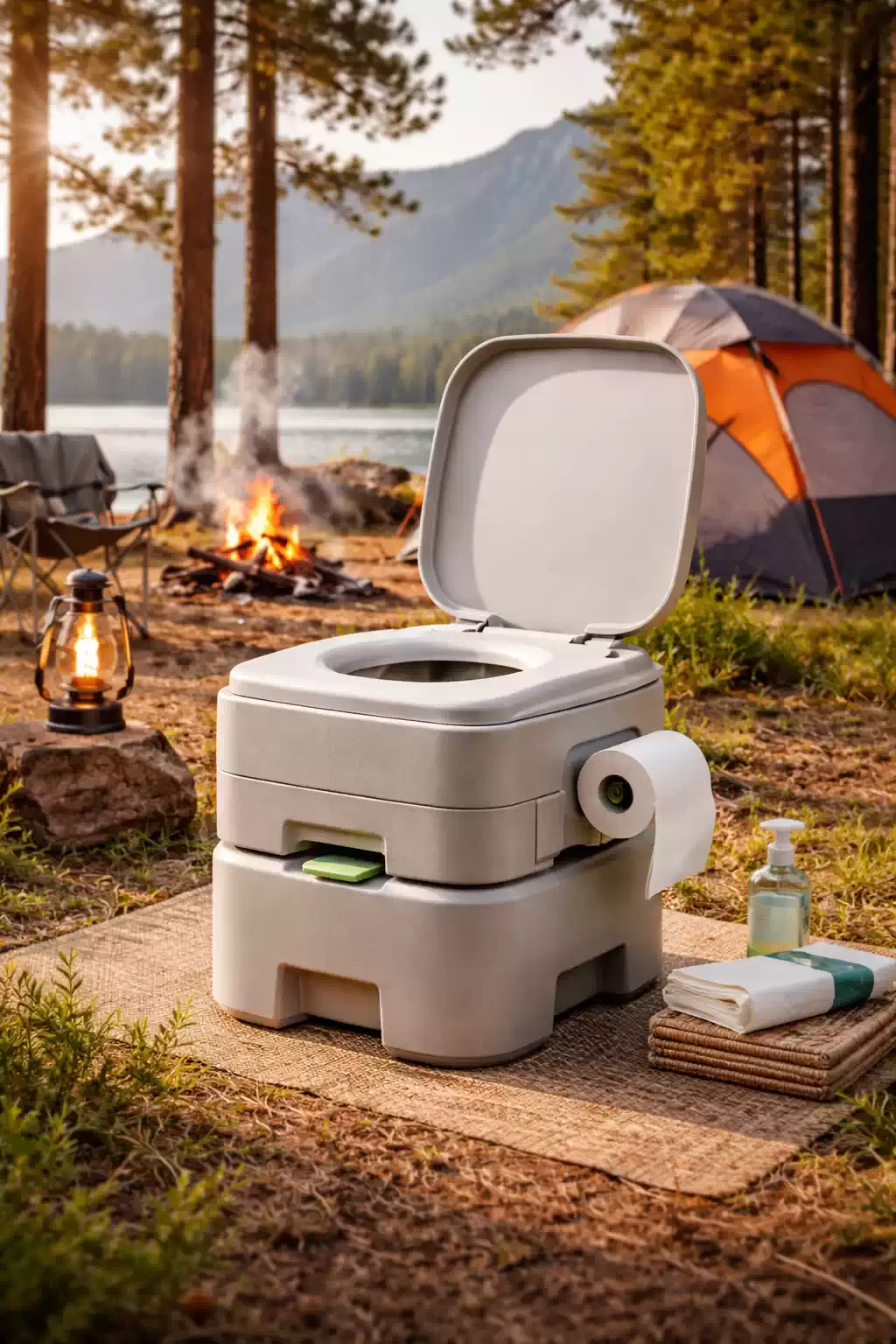
Camping Toilet – The Complete Guide to Portable Toilets for Outdoor Adventures A camping toilet is no longer a luxury for outdoor travelers. Instead, it has become a practical necessity.
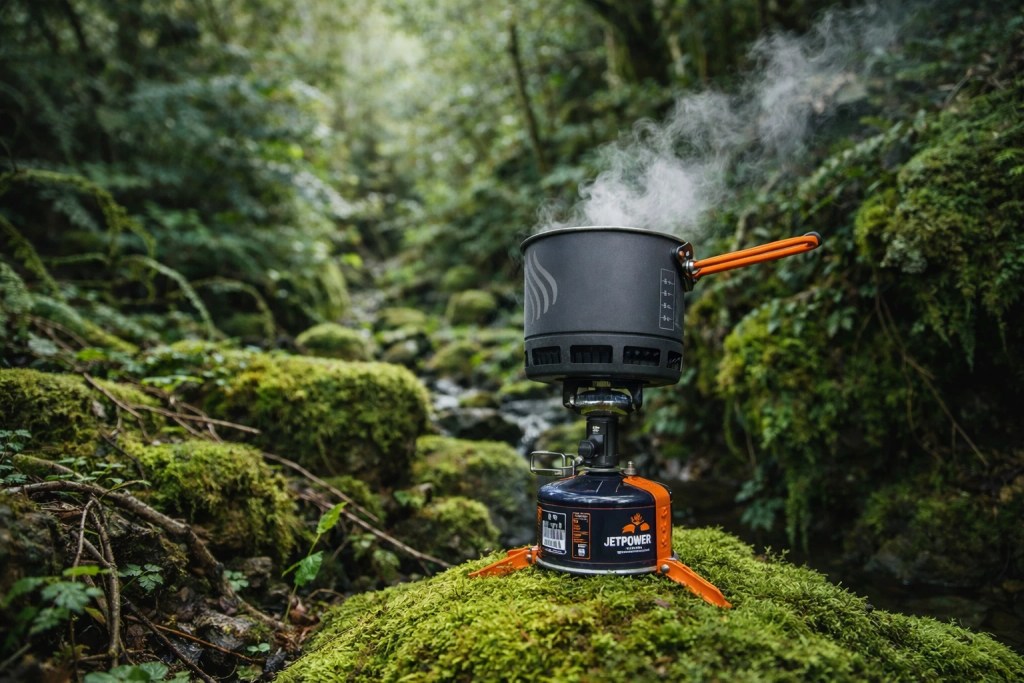
Whether you’re wild-camping in the Scottish Highlands, car-camping in the Lake District, or backpacking the South West Coast Path, choosing the best camping stove in the UK makes the difference between a cold meal and a memorable camp-cooked dinner. This guide walks you through top-rated models, fuel options, performance in British conditions, safety tips, and how to pick the right portable camping stove for your needs. Wherever you plan to go, read on to find a stove that’s reliable, fuel-efficient, and suited to UK weather and access to fuel.
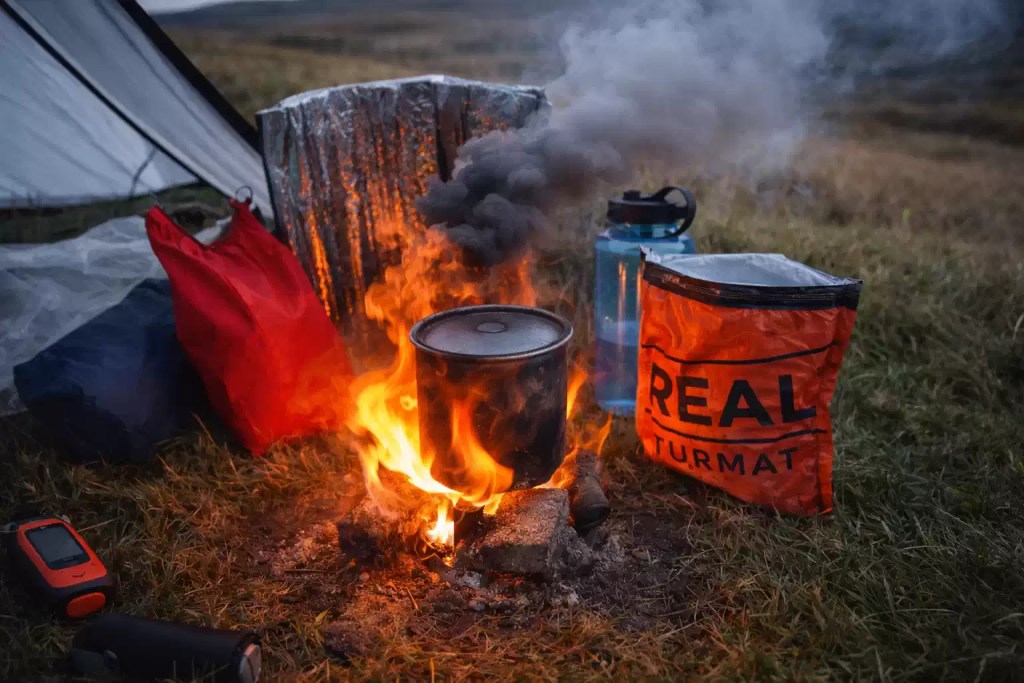
A camping stove is more than a luxury — it’s essential kit. It impacts:
Different stoves excel at different jobs: ultralight backpacking, four-season mountain cooking, family camping, or festival cooking. Tests from specialist reviewers show that performance, wind resistance, and simmer control vary considerably between models, so choose based on real use cases.
Not sure which camping table size or type you need? Our UK camping checklist printable includes fold-up tables, bamboo camping tables, kids camping tables, and lightweight folding options.
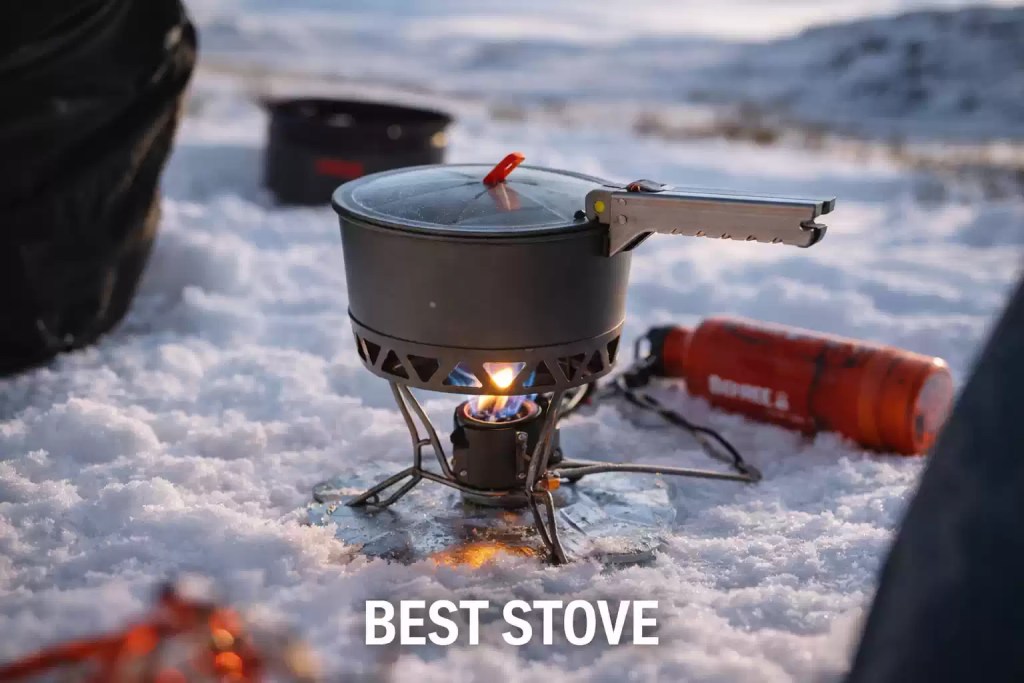
To make shopping easy, we group stoves by common user needs:
We also evaluate wind resistance, simmer control, packability, fuel availability in the UK, and safety features.
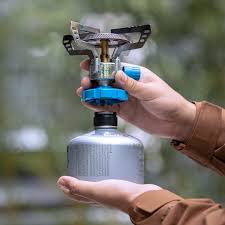
Most common for UK campers due to ease and cleanliness. Canisters are lightweight, simple to attach, and perform well above freezing. They’re ideal for backpackers and general campers. However, performance can suffer in very cold weather unless the stove has a regulator.
Best for winter and remote use. Liquid-fuel stoves run on petrol-type fuel or multi-fuel blends and keep burning in sub-zero temperatures. They require priming and maintenance but are favoured for reliability in harsh conditions.
Ultra-simple, quiet, and legal at most campsites. Alcohol stoves (and classic Trangia systems) are light and cheap, although they are slower to boil and less efficient than canister or liquid stoves. Still, they’re popular in the UK, especially for lightweight car or wild campers.
Best for campfire-style cooking and places where fuel is abundant. These stoves are eco-friendly in the sense they use deadwood, but they require firewood supply and may be restricted on some sites or in dry conditions.
Below are top picks across categories (with concise pros/cons and typical UK use-cases). These models are frequently recommended by UK gear reviewers and outdoor publications.
Why: Ultra-light, fast boil, exceptional reliability. Ideal for solo backpackers who need fast hot water and minimal weight.
Pros: Very light, folds compactly, excellent output for size.
Cons: Less wind-resistant without a windshield; canister performance dips in cold.
UK notes: Readily available and a top pick in UK reviews for backpacking performance.

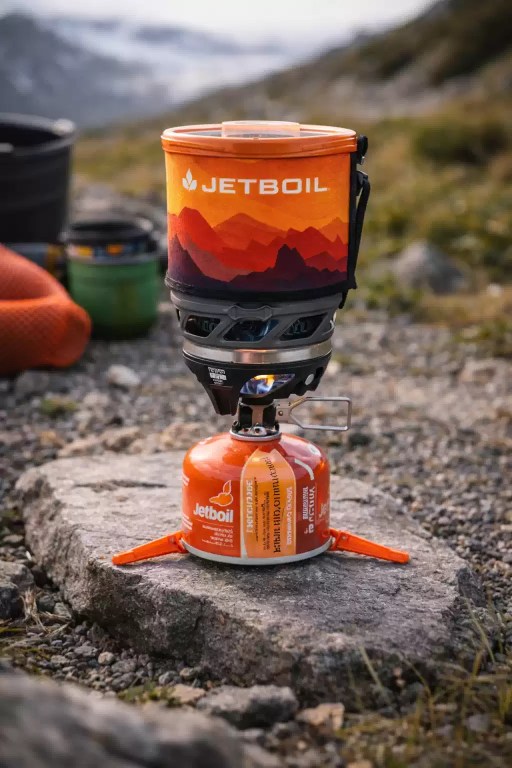
Why: Integrated cook system with fast boil times and great fuel efficiency; superb for quick meals and boiling water.
Pros: Fast, stable, compact; good simmer control on MiniMo.
Cons: Limited to the system’s pot size; wind can be an issue without shelter.
UK notes: Excellent for day trips and lightweight car camping; UK reviewers highlight speed and efficiency.
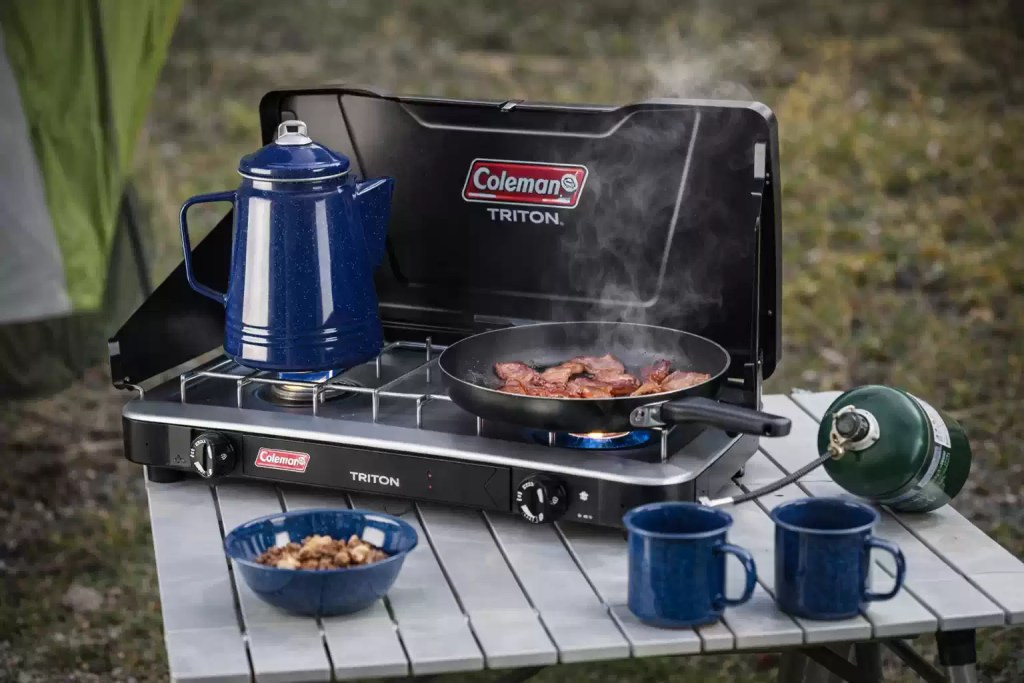
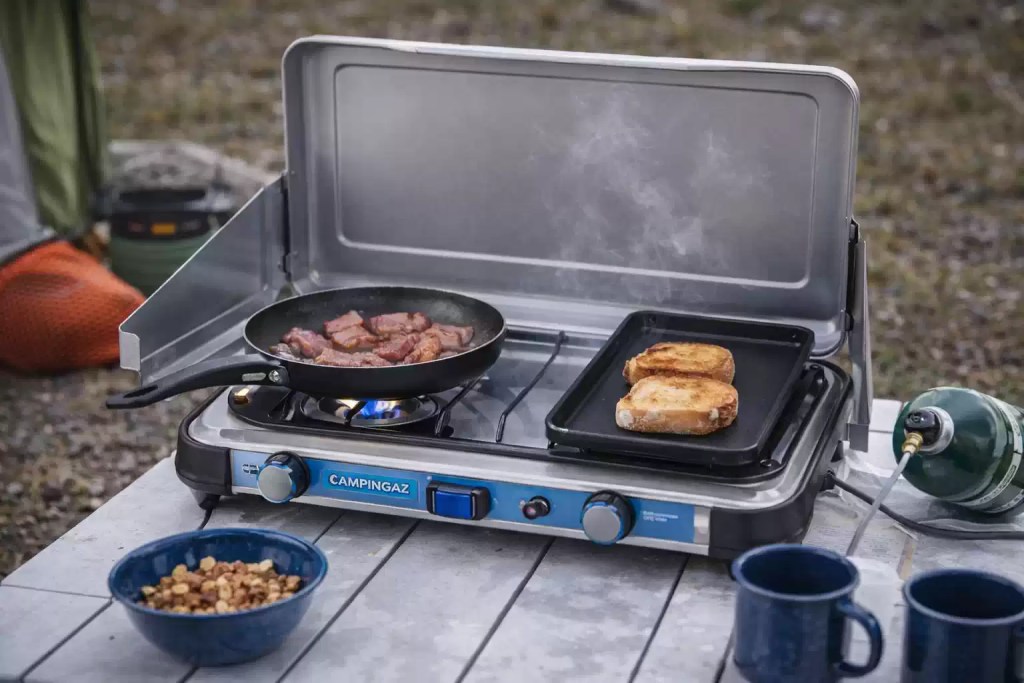
Why: Powerful output, two burners for cooking multiple dishes, sturdy. Great for family camping and festival cooking.
Pros: Large cooking surface, strong heat, easy to use.
Cons: Heavier and bulkier; reliant on larger canisters or cartridges.
UK notes: Popular in the UK for family camping and caravanning because of durability and value.
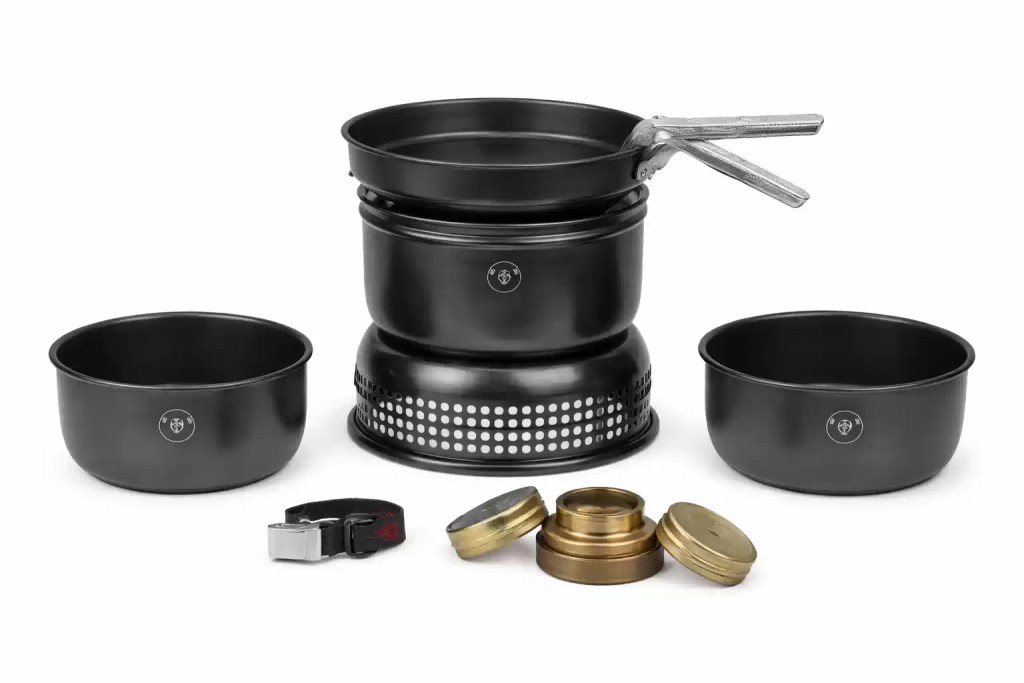
Why: Proven, durable, and simple alcohol-based system. Excellent value and widely used across the UK for decades.
Pros: Inexpensive, reliable, no fancy parts to fail, nests nicely.
Cons: Slower to boil; not great in strong winds without windshield.
UK notes: A stalwart choice for hikers and light car campers in the UK.
Why: Designed to work in cold conditions and at altitude; runs on liquid fuel for consistent performance.
Pros: Superb cold-weather reliability, powerful heat.
Cons: Heavier; needs priming and care.
UK notes: Best for winter wild camping, mountain leaders, and serious adventurers.

Why: Excellent flame control and regulation; performs well in wind.
Pros: Fast boil, good simmer control, often outperforms similarly sized rivals in wind tests.
Cons: Price can be higher than basic canister models.
UK notes: Recommended for UK campers who value control and performance in blustery conditions.
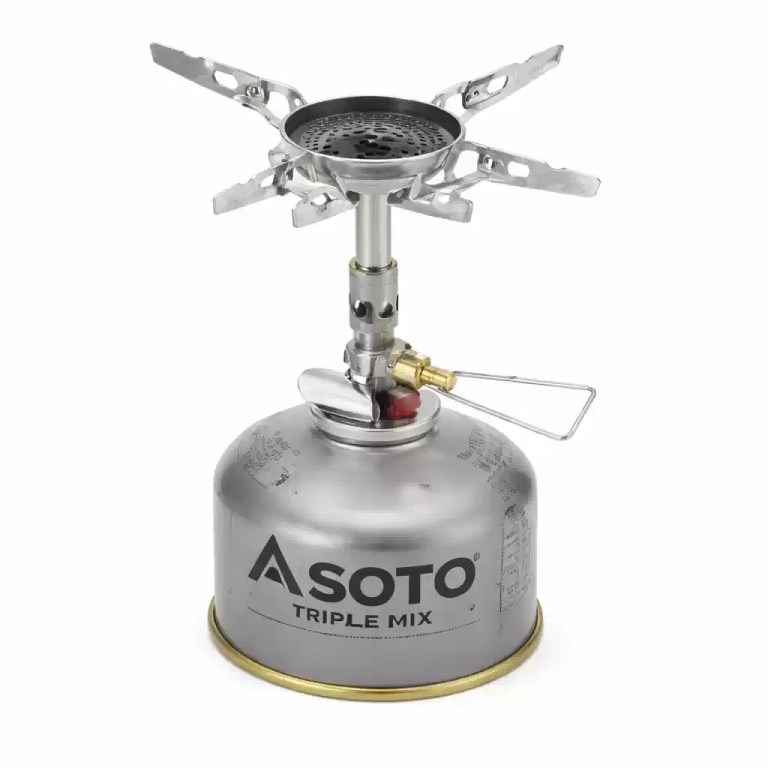
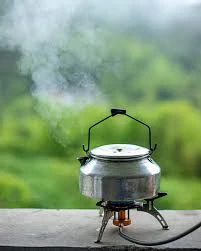
The UK is often windy. Look for stoves with built-in wind protection, low-slung burners, or plan to use a windshield. Regulated stoves keep performance stable when temperatures are lower.
High output is great for boiling, but good simmer control allows you to cook proper meals. Backpacking stoves historically sacrificed simmer for power — newer models (e.g., MiniMo, Soto) offer better control.
Canister fuel is easy to find in the UK (outdoor retailers and general stores). Liquid fuel is available but may be harder to source in remote areas. Be aware of campsite rules: some sites restrict open flames or wood fires. Always carry the right connectors and check fuel transport rules for trains or planes.
Canister fuel is easy to find in the UK (outdoor retailers and general stores). Liquid fuel is available but may be harder to source in remote areas. Be aware of campsite rules: some sites restrict open flames or wood fires. Always carry the right connectors and check fuel transport rules for trains or planes.
If you’re hiking long distances, grams matter. For car camping, weight is less important. Consider the full system weight: pot, stove, fuel, and windscreen.
If you travel internationally, multi-fuel stoves that accept petrol or kerosene can be useful. However, they add complexity and maintenance needs.
UK camping covers mild summer conditions and harsh, wet, or cold weather in shoulder seasons. Tests show that stoves with regulated burners or liquid-fuel designs consistently outperform simple canister stoves in cold or windy conditions. For everyday UK trips, high-quality canister stoves will usually suffice, but if you plan winter trips in Scotland or high-altitude routes, choose a stove designed for cold-weather reliability.
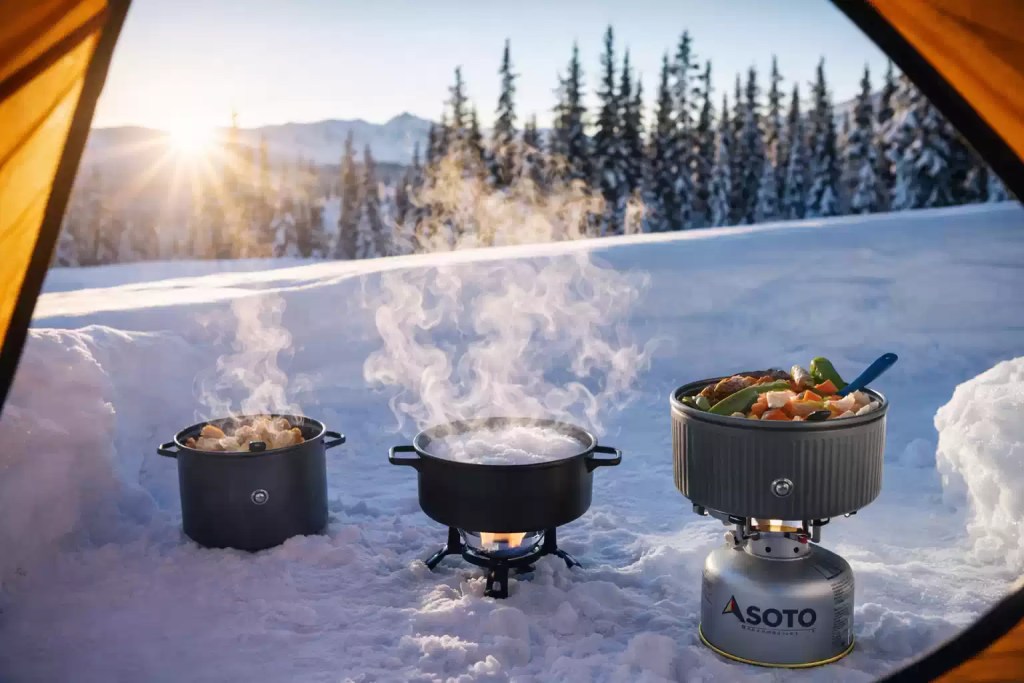
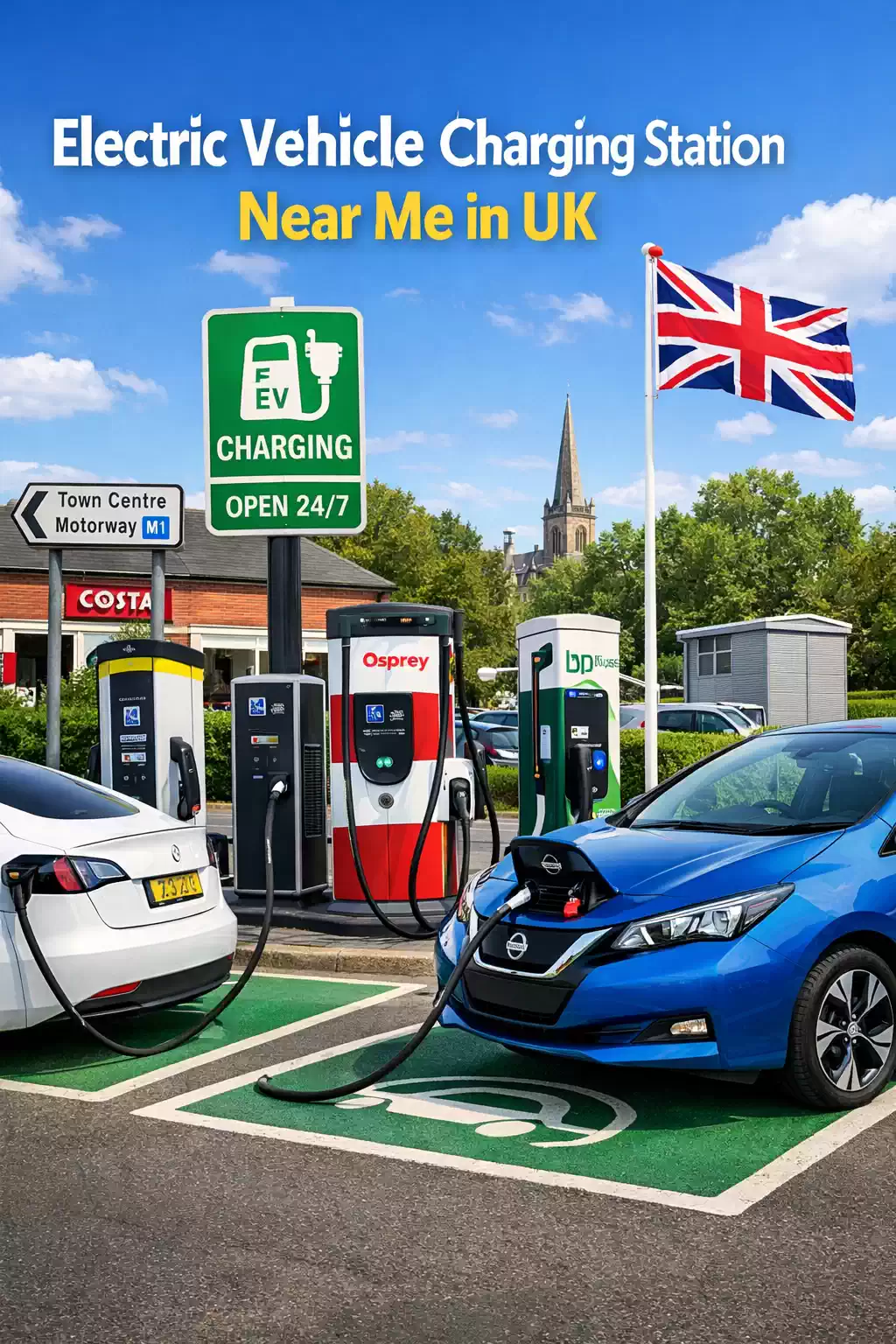
Enter your post code - Click to find
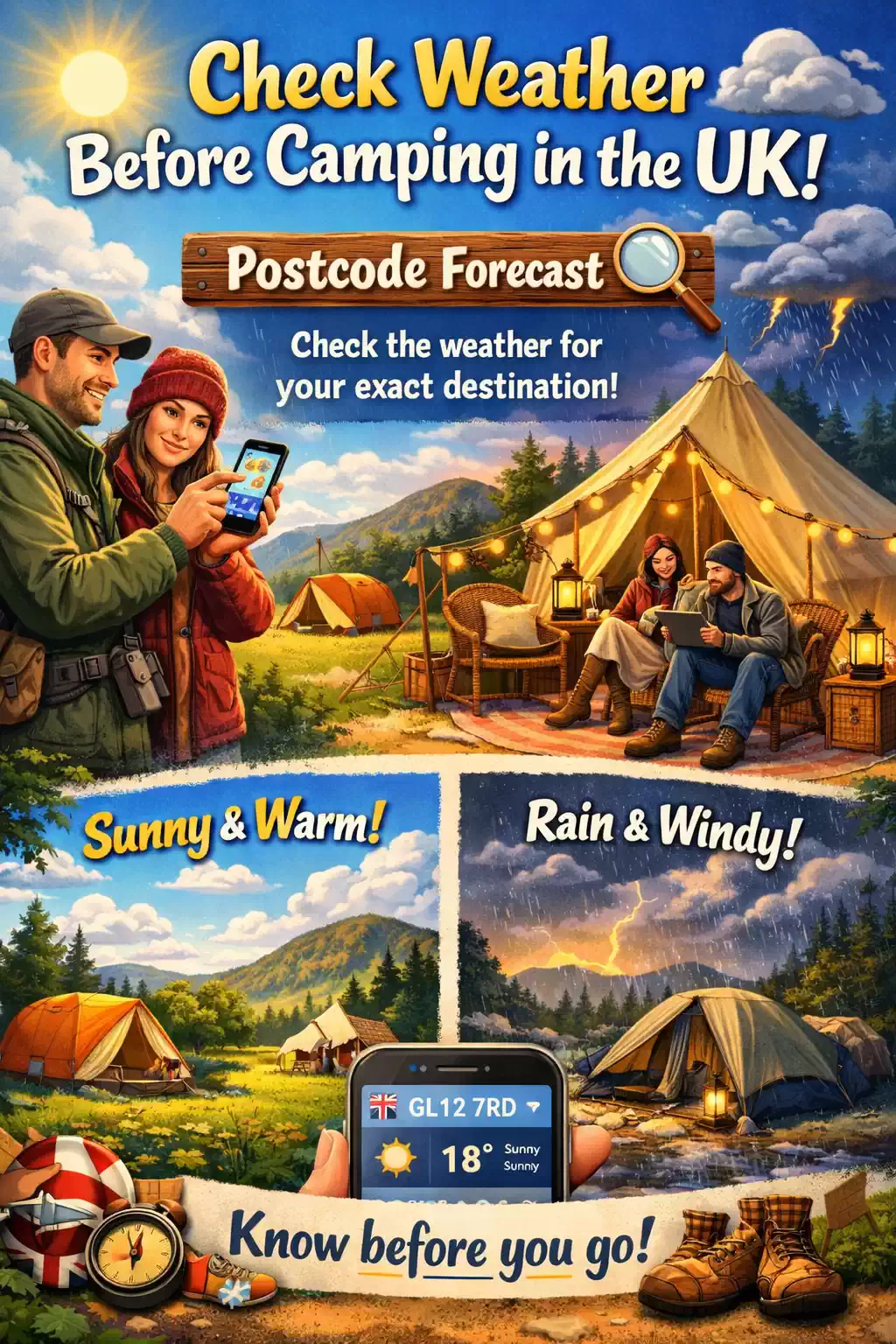
Click on the image to find the weather
You’ll find stoves at specialist outdoor retailers and major chains:
When buying, check return policies and whether fuel and spare parts are available locally.
Use natural shelter or a windshield, but avoid enclosing a running stove completely — ventilation is essential.

Spending more generally buys better regulation, durability, and performance in challenging conditions.
| Category | Recommended Type | Example Models |
|---|---|---|
| Backpacking | Lightweight canister / integrated | MSR PocketRocket 2, Jetboil MiniMo |
| Wild / Winter | Liquid-fuel / Regulated canister | MSR XGK EX, Primus Multifuel |
| Family / Car | Two-burner gas stoves | Coleman Triton, Campingaz 2-burner |
| Budget | Alcohol / Trangia | Trangia 25-2 UL |
| Simmer/control | Regulated canister | Soto Windmaster, Jetboil MiniMo |
(Examples chosen from UK testing and reviews.)
Q: Are canister stoves legal in UK campsites?
A: Yes — canister stoves are generally accepted, but always check campsite rules about open flames and BBQs.
Q: Can I use foreign fuel canisters in the UK?
A: Canister valve types vary by region. Some stoves accept multiple valves with adaptors; check compatibility.
Q: What stove is best for winter camping in the Highlands?
A: Liquid-fuel or highly regulated canister stoves designed for cold conditions (e.g., MSR XGK EX, Primus multi-fuel) are recommended. Outdoors Magic
Q: How long will a fuel canister last?
A: It depends on stove output and boil times — typical canister might last several days for boiling water twice a day on low output. Check manufacturer estimates.
Q: Is a two-burner stove worth it for car camping?
A: Yes — if you cook for multiple people, the convenience and speed of a dual-burner design are invaluable.
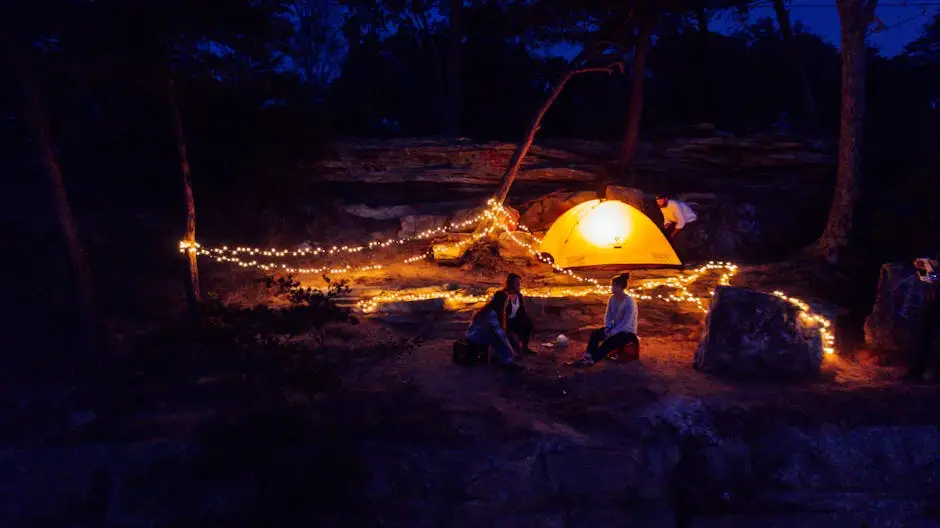
The best camping stove in the UK depends on the type of trip: lightweight canister stoves like the MSR PocketRocket 2 are superb for backpacking, while integrated systems such as Jetboil suit fast boiling on day hikes. Family campers will love the power and convenience of two-burner Coleman or Campingaz systems, and serious winter or expedition users should invest in reliable liquid-fuel stoves. Always match stove type to conditions — wind, temperature, and fuel availability matter — and factor in weight, simmer control, and maintenance. With the right choice, your next UK trip will include hot meals, warm drinks, and memorable evenings under the stars.



Price Based Country test mode enabled for testing United Kingdom (UK). You should do tests on private browsing mode. Browse in private with Firefox, Chrome and Safari
Subscribe now to keep reading and get access to the full archive.