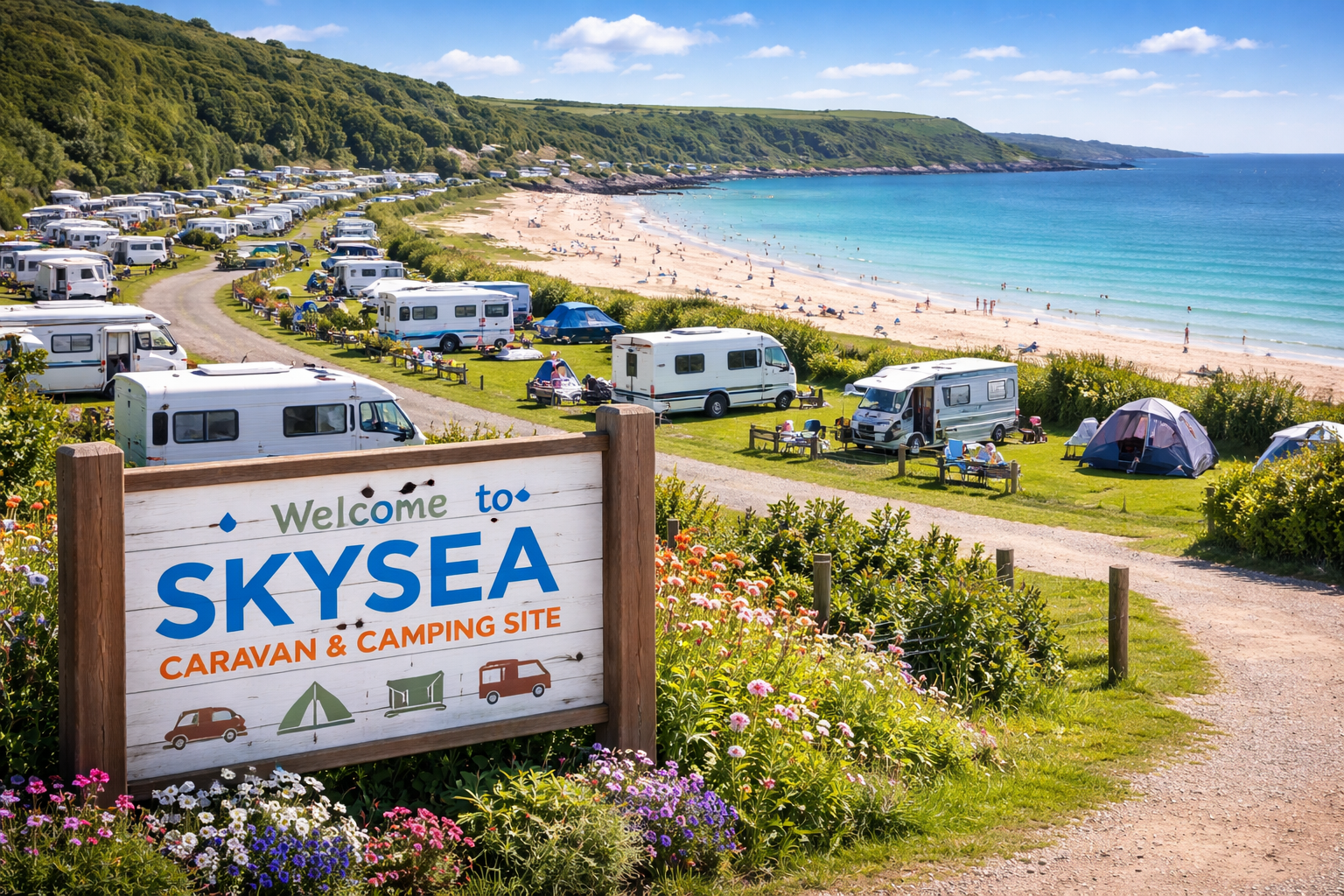
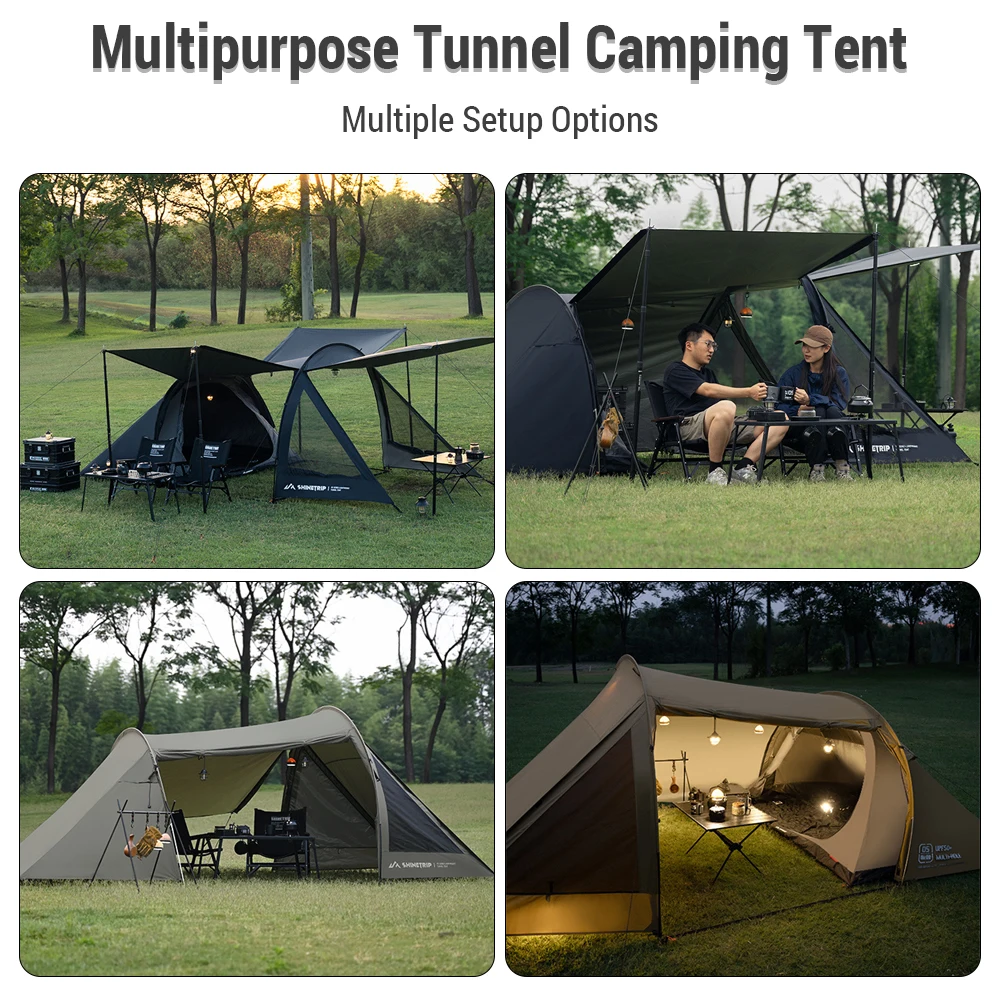
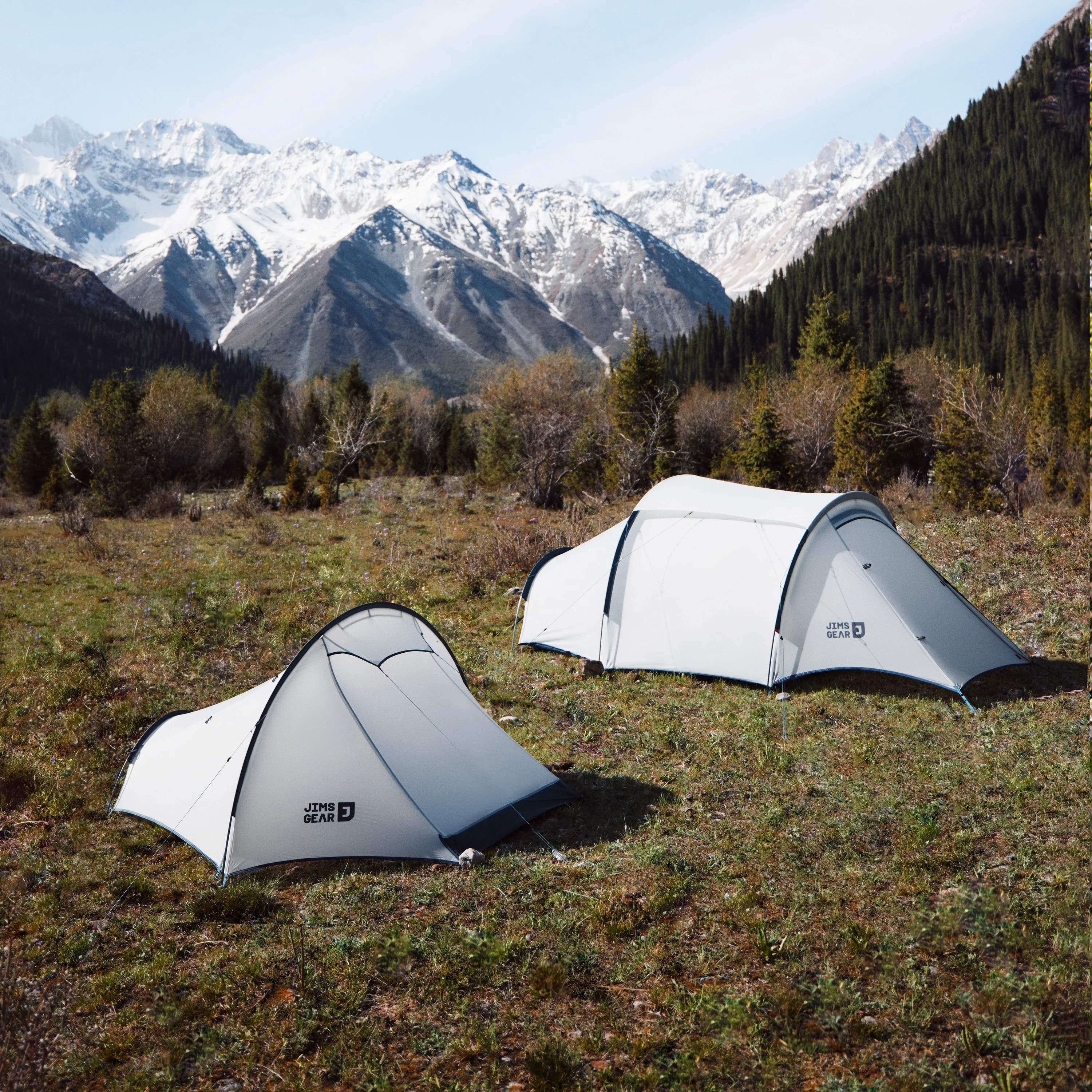
Camping in the UK offers incredible variety — from coastal campsites and countryside parks to national parks and mountain regions. However, the same diversity also brings unpredictable weather, strong winds, sudden rain, and cooler nights even in summer. Choosing the right camping tent is therefore one of the most important decisions for any camper.
This comprehensive guide explores the best camping tents in the UK for 2026, helping you understand what to look for, which types suit different camping styles, and how to choose a tent that performs reliably in UK conditions. Whether you are a beginner, a family camper, or an experienced outdoor enthusiast, this guide will help you make an informed decision.
Not sure which camping table size or type you need? Our UK camping checklist printable includes fold-up tables, bamboo camping tables, kids camping tables, and lightweight folding options.
Unlike warmer or drier climates, UK camping demands tents that can cope with frequent rain, moisture, wind exposure, and fluctuating temperatures. A tent that performs well abroad may struggle in the UK if it lacks proper waterproofing, ventilation, or structural stability.
A suitable UK camping tent should:
Keep occupants dry during prolonged rainfall
Withstand gusty winds in open campsites
Prevent condensation buildup overnight
Offer reliable insulation for cooler evenings
Selecting the right tent improves comfort, safety, and overall enjoyment — turning a challenging trip into a memorable outdoor experience.
Before choosing a tent, it’s important to understand the features that matter most in UK conditions.
Look for tents with a high hydrostatic head rating (typically 3,000mm or higher for flysheets). Durable fabrics and sealed seams are essential for long-lasting waterproof protection.
Strong pole structures, such as aluminium or reinforced fibreglass, help tents remain stable during windy conditions. Geodesic and tunnel designs often perform better in exposed areas.
Good airflow is critical in the UK’s damp climate. Roof vents, mesh panels, and breathable inner tents help reduce condensation without letting rain inside.
Quick-pitch designs are particularly useful when setting up in poor weather. Colour-coded poles and intuitive designs reduce setup time and stress.

For year-round camping or exposed locations, all-weather tents provide reinforced structures and enhanced insulation.
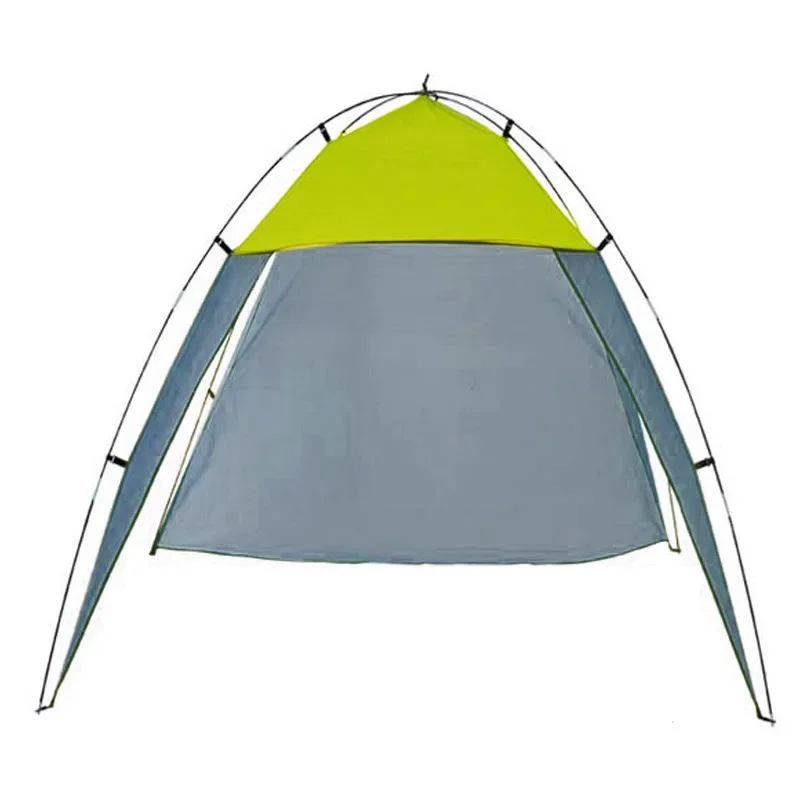
Designed for hikers and minimalist campers, backpacking tents prioritise weight and packability. These tents are best for short stays, walking trails, and remote camping.
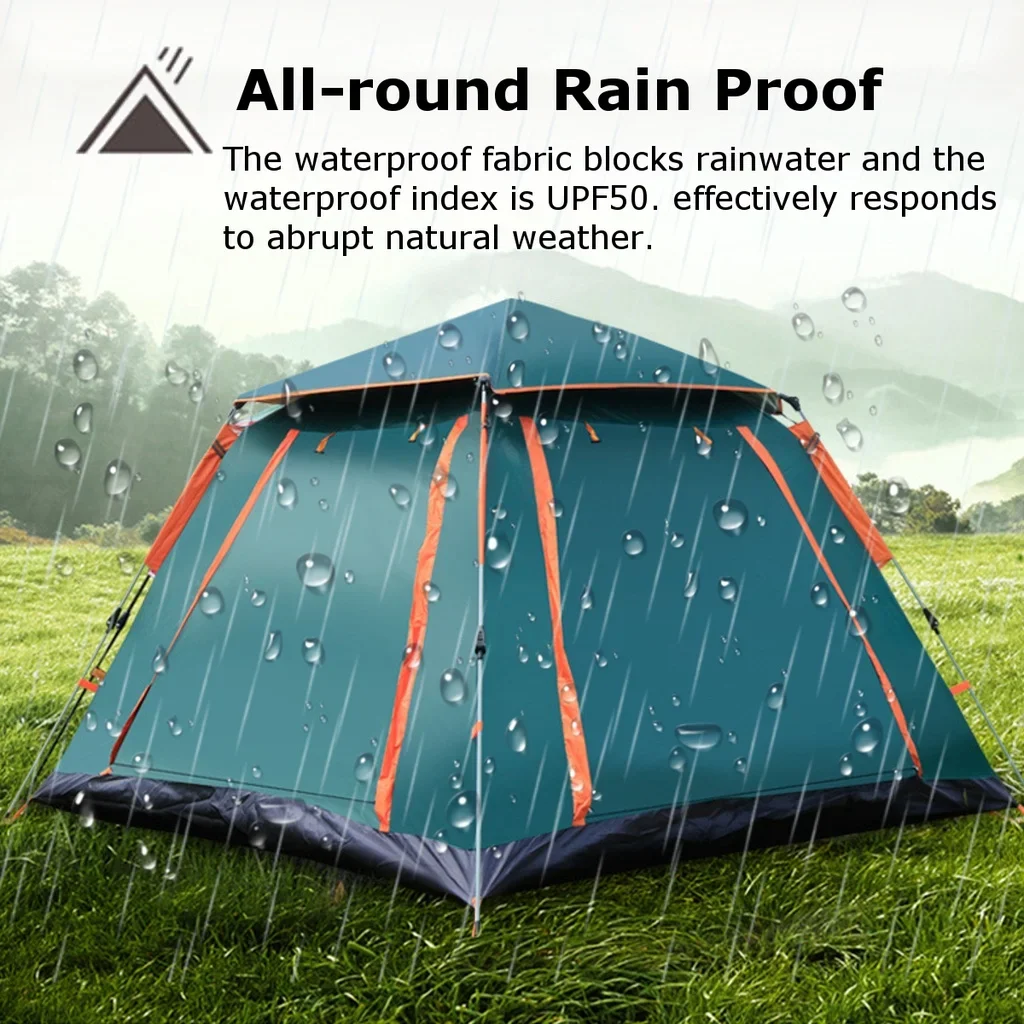
For year-round camping or exposed locations, all-weather tents provide reinforced structures and enhanced insulation.
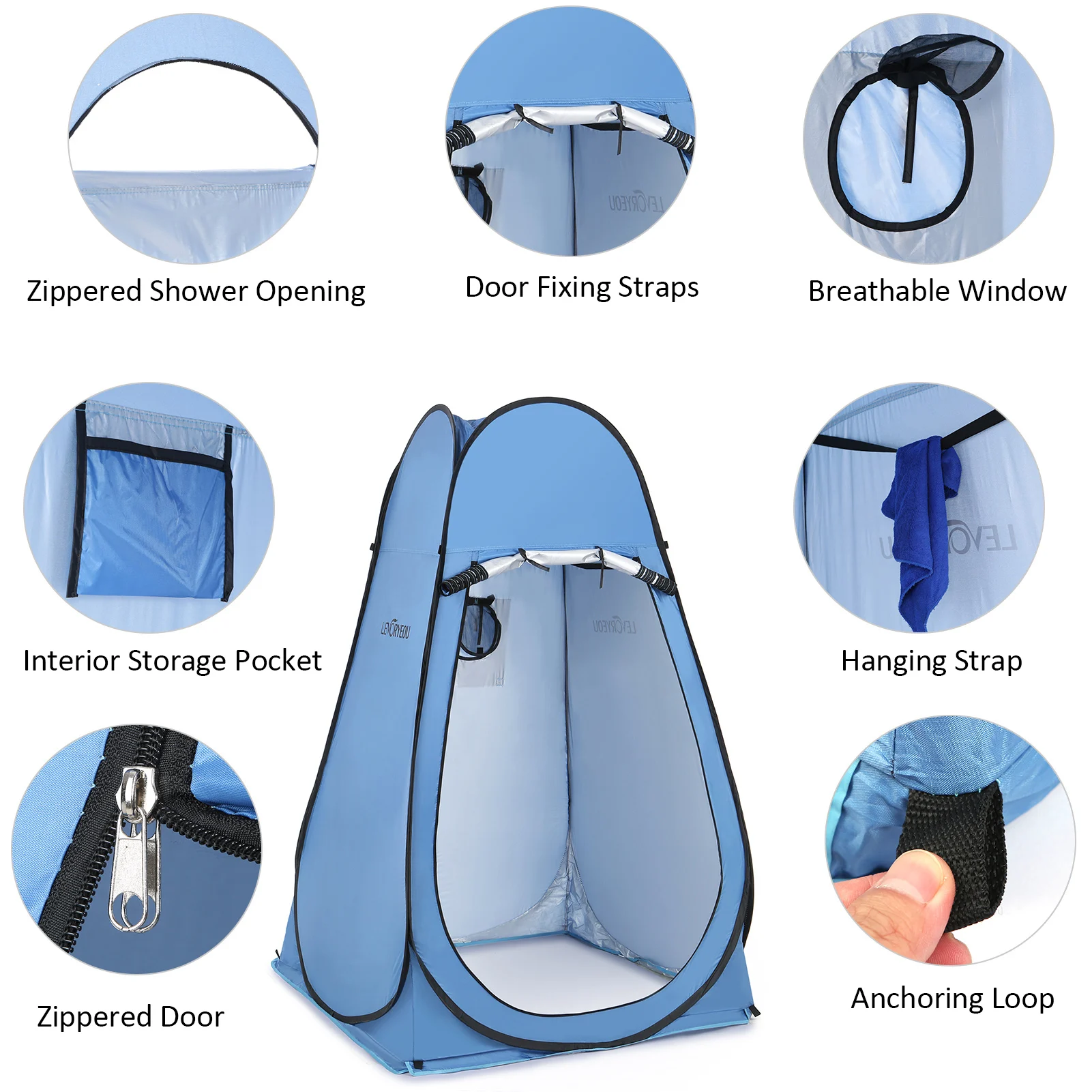
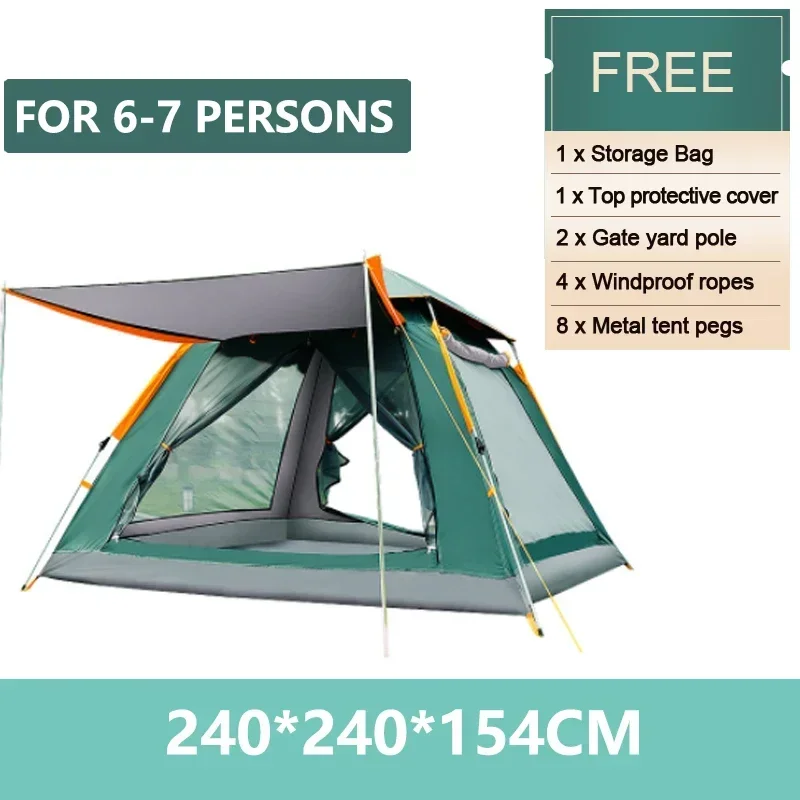
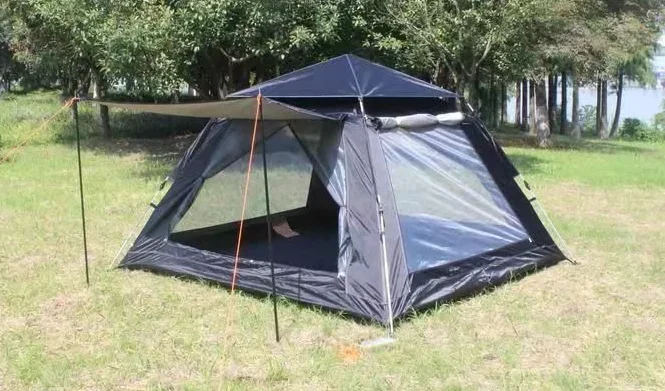
Pop-up tents are popular among beginners and festival campers. They are easy to set up but may not offer the same durability as traditional designs in harsh weather.
Below are examples of highly regarded tent styles commonly chosen by UK campers. Availability may vary, but these represent the type of tents suited to UK conditions.
Pros:
Stable design
Good ventilation
Suitable for short to medium stays
Cons:
Limited headroom in smaller models
Tunnel tents provide excellent internal space and are ideal for family camping trips. When properly pitched, they handle wind effectively.
Pros:
Spacious interiors
Separate sleeping and living areas
Ideal for campsites
Cons:
Require secure pegging
Less suitable for very rocky ground
For campers covering long distances, lightweight tents reduce carrying load without sacrificing weather protection.
Pros:
Easy to transport
Quick setup
Suitable for multi-day hikes
Cons:
Less internal space
Limited storage
Tent size matters more than many people realise. A “2-person tent” may feel cramped with gear, while a slightly larger tent can significantly improve comfort.
General guidance:
Solo campers: 1–2 person tent
Couples: 3-person tent
Families: 4–6 person tent
Always consider additional space for backpacks, shoes, and wet clothing — especially in the UK.
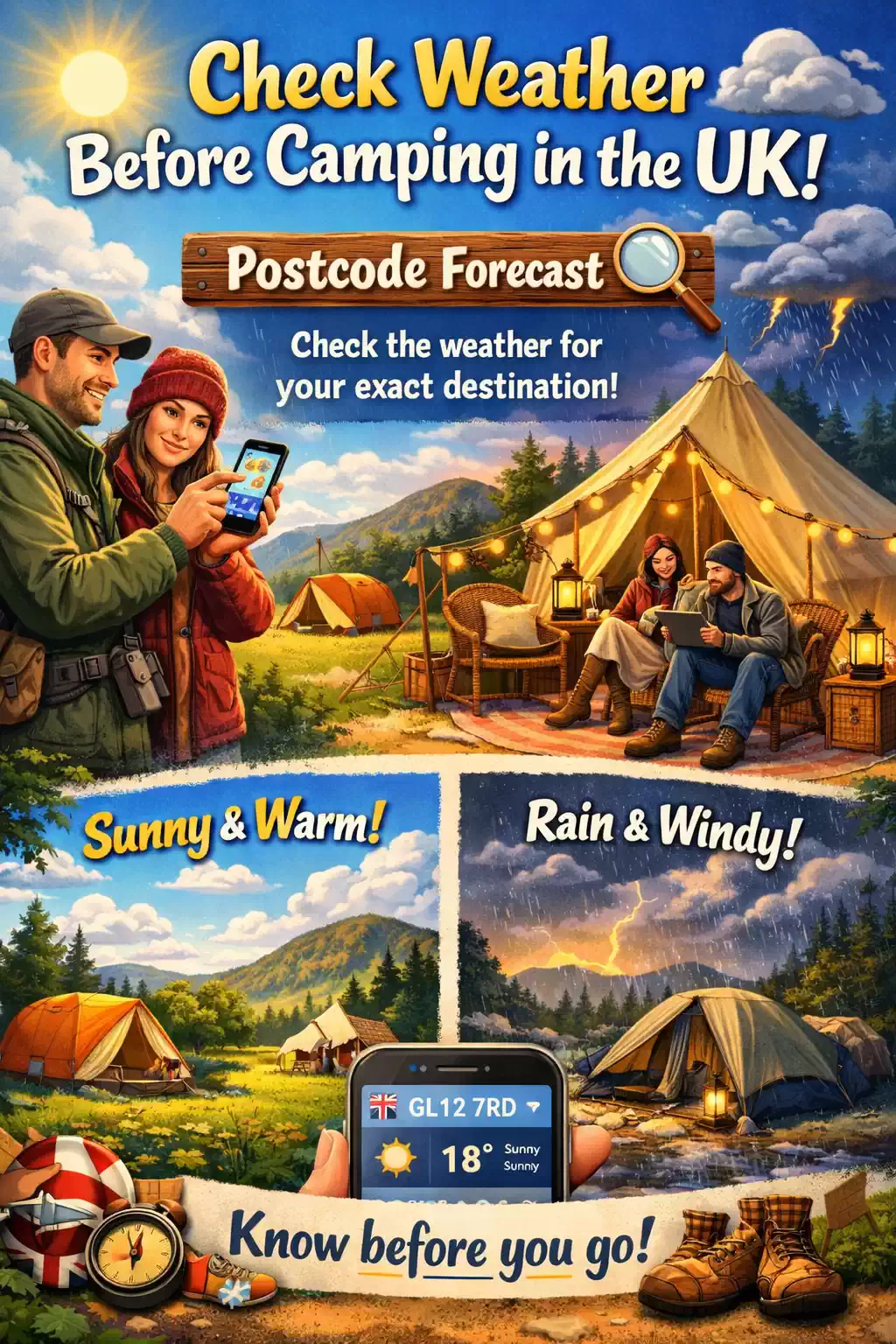
UK weather can change rapidly, even within the same day. When choosing a tent, consider:
Rain frequency and intensity
Wind exposure at campsites
Ground moisture levels
Seasonal temperature variations
A well-chosen tent ensures reliable shelter regardless of weather surprises.
A tent is only one part of a complete camping setup. To stay comfortable outdoors, it should be paired with suitable sleeping gear, lighting, cooking equipment, and storage solutions.
For a complete overview of essential equipment, refer to this camping gear in the UK guide, which covers tents alongside sleeping gear, cooking equipment, lighting, and backpacks designed for UK camping conditions.
Proper care extends the life of your tent and maintains performance.
Always dry and clean your tent before storage to prevent mould and fabric damage.
Store tents loosely in a cool, dry place rather than tightly compressed in stuff sacks.
Check seams, poles, and guy lines before each trip to avoid failures outdoors.
Choosing a tent based only on price
Ignoring waterproof ratings
Underestimating wind exposure
Buying a tent that’s too small
Overlooking ventilation needs
Avoiding these mistakes helps ensure long-term satisfaction.
Higher-priced tents often use better materials, improved pole systems, and enhanced waterproofing. While budget tents can work for occasional trips, frequent campers often benefit from investing in a higher-quality model.
The key is matching the tent to your camping style rather than focusing solely on price.
The best camping tent for UK conditions is one that balances durability, weather protection, comfort, and ease of use. By understanding tent types, key features, and how UK weather affects performance, you can confidently choose a tent that supports enjoyable outdoor adventures year after year.
Whether you camp occasionally or regularly, selecting the right tent is a foundational step toward building a reliable camping setup and making the most of the UK’s diverse outdoor destinations.
Price Based Country test mode enabled for testing United Kingdom (UK). You should do tests on private browsing mode. Browse in private with Firefox, Chrome and Safari
Subscribe now to keep reading and get access to the full archive.