DTF Printer vs Sublimation Printer Which Printer Should You Use
DTF Printer vs Sublimation Printer Which Printer Should You Use. If you’re in the custom apparel, promotional product, or crafting business, you’ve likely come across two major heat‑transfer technologies: DTF (Direct-to-Film) and sublimation printing. While both deliver vibrant, full-color designs, they differ significantly in process, compatibility, feel, and cost. In this guide, we’ll break down how each works, highlight their pros and cons, and help you select the right one for your needs—just like a top-level take from an HTVRONT-style blog.
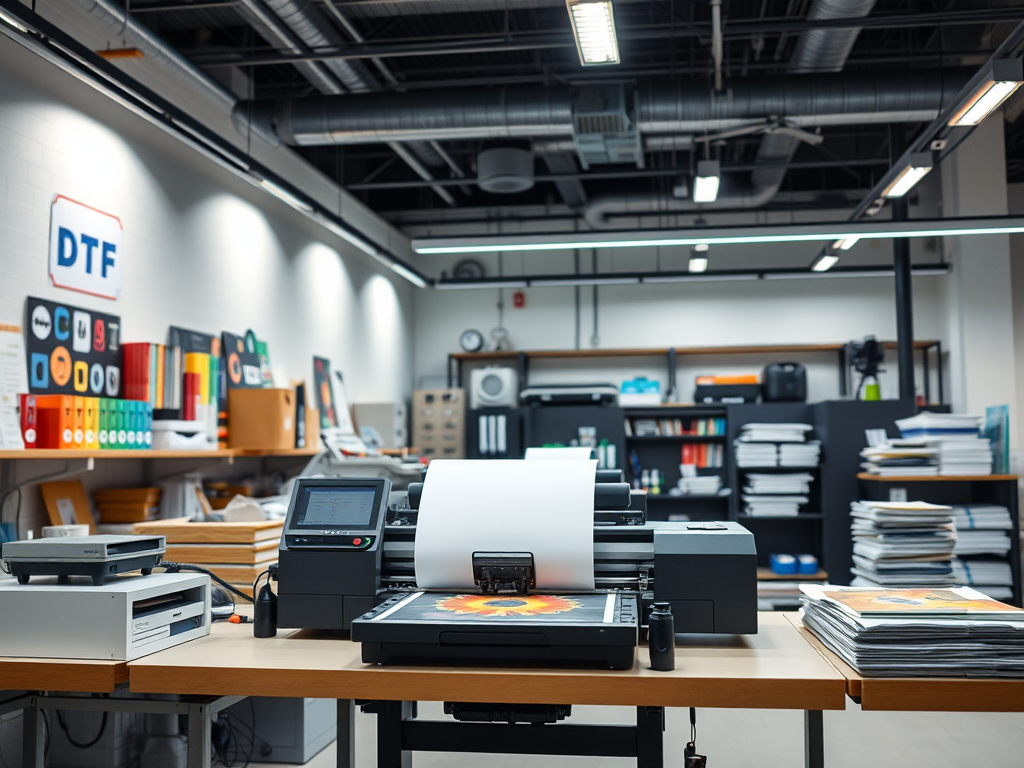
DTF (Direct‑to‑Film) printing is a relatively new method gaining traction thanks to its versatility. It involves printing your design onto a PET film using CMYK and white inks, coating it with adhesive powder, curing it, then transferring that film onto garments using a heat press Reddit+9Printful+9Xtool+9.
How It Works:
Design is printed onto PET film (Special DTF printer)
Adhesive powder is applied immediately over the print
Sublimation printing (or dye-sublimation) uses heat and pressure to turn sublimation ink from solid to gas, infusing the dye into synthetic fibers or coated surfaces—a chemical bonding process that produces long-lasting, seamless prints WikipediaShopify.
How It Works:
Print design on coated sublimation paper with sublimation ink
Place printed paper on polyester or polymer-coated substrate
DTF works on nearly all fabrics—cotton, polyester, blends, nylon, even wood or leather—because of the adhesive layer and white ink backing stahls.com.
Sublimation, however, only works on polyester fabrics or polymer-coated items (ceramics, aluminum, etc.), and usually light‑colored surfaces, since sublimation ink cannot reproduce white TikTok+6Shopify+6McLogan Supply+6.
Winner: DTF for versatility.
2. Print Quality & Feel
Sublimation delivers photorealistic, seamless prints that feel soft and part of the material—no texture difference Wikipedia+15Shopify+15Subli Star+15.
DTF produces vivid, sharp designs, even with whites, but the print sits on top of the garment and may feel slightly raised or textured. It may also look glossy depending on adhesive powder and curing Wikipedia+3Cranky Press Man+3Printful+3.
Winner: Sublimation for natural feel; DTF for popping appearance.
DTF prints are surface-layered—they’re generally durable, but may degrade over time with frequent laundering, especially under heavy stress ShopifyCranky Press Man.
Winner: Sublimation for long-term resilience.
4. Equipment & Setup Cost
DTF systems require a specialized printer (often with white ink support), adhesive powder, powder shaker, curing oven, and heat press. Entry-level systems start around $2,000, plus recurring cost of inks and powder Xtool+1Cranky Press Man+1.
Sublimation can be done by converting an inkjet printer and using sublimation-specific ink and paper, plus a heat press. Basic setups can cost as little as $500–$600 ShopifyXtool.
Winner: Sublimation for lower startup cost; but DTF may pay off with broader material options.
5. Workflow & Speed
Sublimation is a two-step process (print to paper, press to substrate) and tends to be quicker per item.
DTF adds an extra step (powder, curing, then press), making it somewhat slower per print and more involved operationally Wikipedia+14Xtool+14Reddit+14.
Winner: Sublimation for speed and simplicity.
6. Color Range & Background Options
Sublimation uses CMYK inks—no white—so works best on white or light backgrounds. Dark or colored fabrics typically show no design unless polyester coated or pre-treated.
DTF includes white ink under CMYK, making it ideal for printing on dark items or colored garments without affecting background color stahls.com.
Winner: DTF for flexibility in color and background.
Want to print on cotton, blends, dark fabrics, or non-textiles.
Need white ink and vibrant pop on colored garments.
Are comfortable with more steps and a higher upfront cost.
Choose Sublimation if you:
Focus mainly on polyester apparel, mugs, tumblers, or coated substrates.
Want soft, permanent, photo-quality prints.
Prefer lower entry costs and simpler workflows.
Final Thoughts
Both DTF and sublimation feature strong full-color capabilities and are great for on-demand and small-batch printing. The best choice depends on what materials you’re targeting, your budget, production volume, and whether you prioritize durability or versatility.
For cotton T-shirts or colorful fabrics, go with DTF.
For all-over prints, polyester blends, or sublimation-ready items like mugs or mousepads, sublimation is your go-to.
Whichever you choose, both methods can power a thriving custom print business—understanding their differences is the first step toward the right investment.
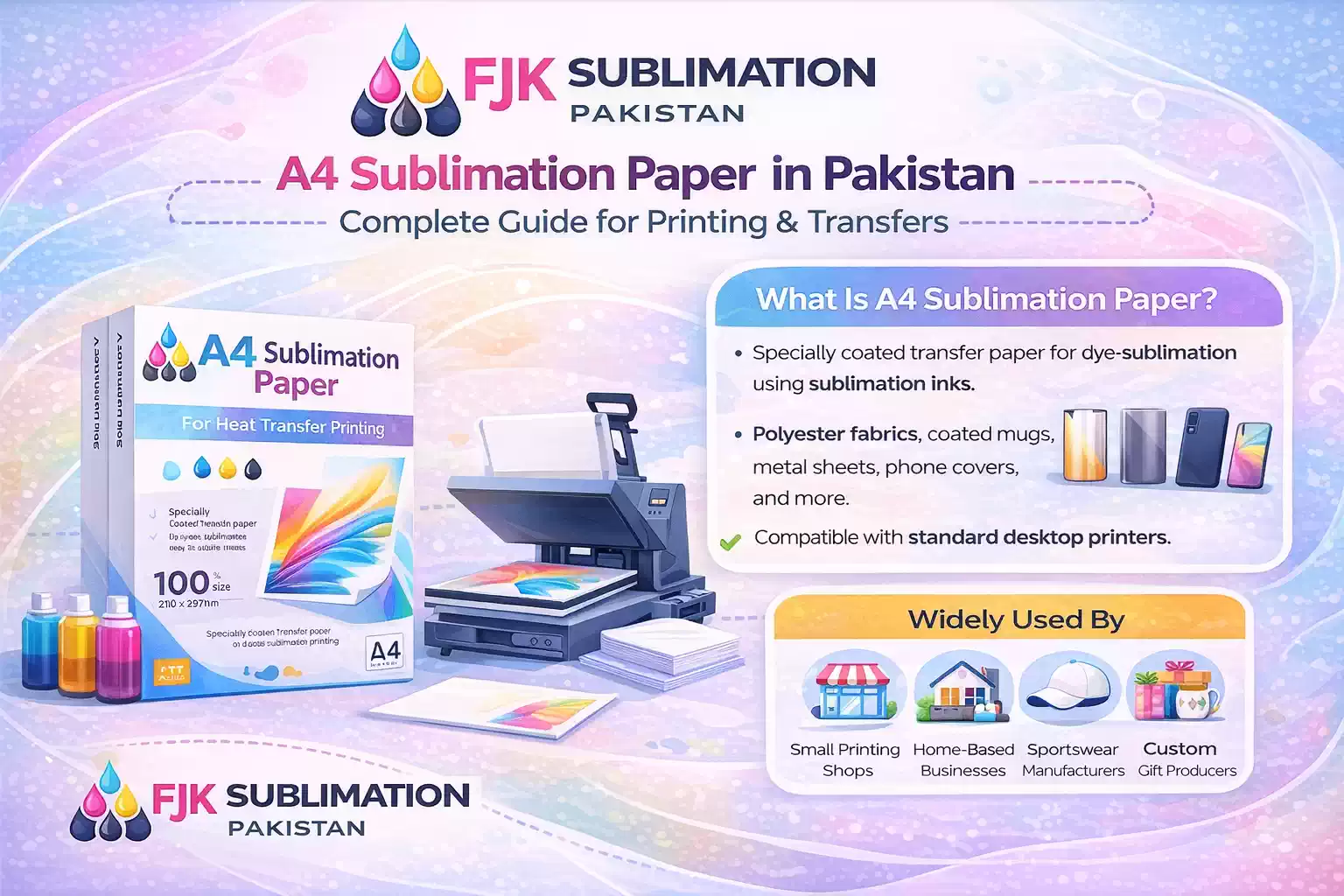
This 2026 Buyer’s Guide provides a complete, technical, and professional overview of sublimation paper, sublimation ink, heat press settings, and printer compatibility for both beginners and advanced users.
Looking for the best sublimation paper brands? This 2025–2026 guide compares A4, 11x17, and 13x19 sublimation paper by quality, price, and performance.