Exploring Thurso: Scotland’s Northern Gem
Introduction
Exploring Thurso: Scotland’s Northern Gem.Nestled at the northern tip of mainland Scotland lies Thurso, a town of rugged charm, dramatic coastlines, and deep historical roots. Often overlooked in favor of more southerly Highland attractions, Thurso offers an experience that’s equally captivating—if not more so—for travelers looking to explore the raw beauty of the Scottish Highlands without the crowds.
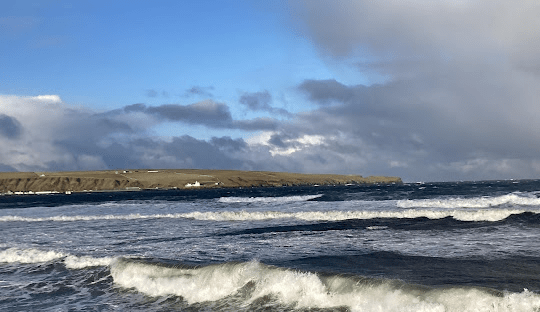
Exploring Thurso: Scotland’s Northern Gem. A unique blend of Norse heritage, Victorian architecture, and a thriving surf culture, Thurso is not just a waypoint to Orkney; it’s a destination in its own right. Whether you’re tracing Viking footsteps, riding the North Sea waves, or savoring local seafood with views of the Pentland Firth, Thurso’s appeal is undeniable.
A Brief History of Thurso
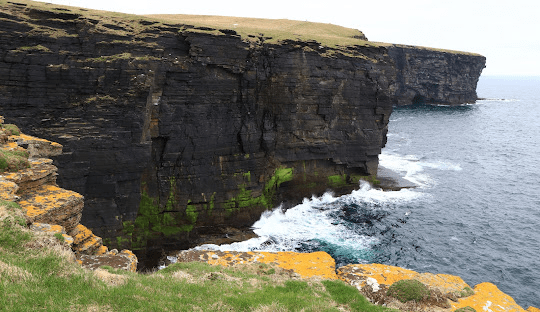
Exploring Thurso: Scotland’s Northern Gem.The history of Thurso dates back thousands of years, with evidence of Pictish settlements and strong Norse influence during the Viking era. Its name itself originates from the Old Norse “Thorsá,” meaning “Thor’s River.” By the 12th century, it had become a bustling Norse port and remained an important trading hub for centuries.
During medieval times, Thurso was a royal burgh, linking Scotland to Scandinavia and the Low Countries through its sea trade. The Victorian era brought prosperity to the town, and many of the buildings that define the townscape today—such as the imposing St. Peter’s Church and the historic town hall—were constructed during this period.

Geography and Climate
Located in Caithness, the northernmost part of the Scottish mainland, Thurso boasts a dramatic coastline with sweeping views of the Orkney Islands. The town itself sits at the mouth of the River Thurso, opening out into the Pentland Firth—a notoriously strong tidal channel between the Scottish mainland and Orkney.
The climate in Thurso is oceanic and cool year-round. Summer temperatures rarely rise above 17°C (63°F), while winters are relatively mild, considering its northern latitude. The frequent wind and changing skies only enhance the town’s rugged and wild charm, making it a dream for photographers and nature lovers.
Things to Do in Thurso
Whether you’re an adventurer, history buff, or a slow traveler seeking solitude, Thurso offers something for everyone.
1. Surfing the North Sea
Thurso is famously home to one of Europe’s best cold-water surf breaks. Thurso East, a right-hand reef break, draws surfers from around the globe, especially during autumn and spring when swells are at their peak. The local surf scene is welcoming and growing, with a few local schools offering equipment and lessons.
2. Castle of Mey
Located just 12 miles west of Thurso, the Castle of Mey was the beloved home of the late Queen Mother. Lovingly restored and opened to the public, the castle and its gardens offer a glimpse into royal Scottish life and provide stunning views across the water to Orkney on a clear day.
3. Caithness Horizons Museum
Situated in Thurso’s old town hall, this museum is a treasure trove of local history, geology, and culture. From Pictish stones to exhibits on the Dounreay nuclear reactor, the museum encapsulates the region’s past and present.
4. Dunnet Head
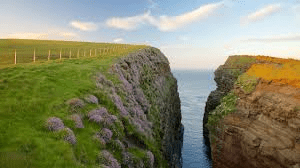
A short drive from Thurso, Dunnet Head is the true northernmost point of mainland Britain. It offers panoramic views, rich seabird colonies, and the picturesque Dunnet Head Lighthouse. It’s a must-see for those who want to stand at the edge of the world.
5. St. Peter’s Kirk and Churchyard
This historic site in Thurso holds centuries of stories in its gravestones and ancient architecture. Although now in ruins, the kirk’s surroundings offer a peaceful space for reflection and photography.
Exploring the Natural Beauty
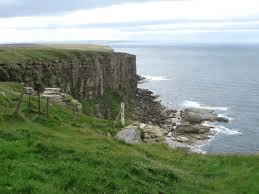
Beyond its man-made attractions, Thurso is a gateway to some of Scotland’s most dramatic natural landscapes. From towering cliffs to serene beaches, there’s no shortage of outdoor adventures.
Thurso Beach
Just a stone’s throw from the town center, Thurso Beach is a long stretch of golden sand backed by low dunes. It’s perfect for a quiet stroll, watching surfers ride the waves, or simply soaking in the sea air.
Forss Waterfall
Located about 15 minutes from Thurso, the Forss Waterfall is a hidden gem nestled in lush woodlands. The area is also home to salmon leaping upriver in season—a sight that feels truly magical.
Scrabster Harbour and Holborn Head
Scrabster, a fishing port on the edge of Thurso, offers ferry connections to Orkney but also boasts beautiful walking trails along Holborn Head, where rugged cliffs drop dramatically into the sea.
Culture and Community
Thurso may be small, but its community is vibrant and welcoming. Traditional Highland culture lives on in ceilidhs, local festivals, and weekly markets. The town has a strong sense of identity, deeply connected to the land and sea.
The music scene in Thurso is particularly lively, with local pubs often hosting live folk music. The Pipe Band still plays during summer parades, and annual events such as the Caithness Show draw crowds from across the county.
Food and Drink
No visit to Thurso is complete without sampling the local fare. Thanks to its coastal location, the seafood here is among the freshest in Scotland. Scrabster Harbour supplies much of the town’s shellfish and whitefish.
Must-try spots include:
- Captain’s Galley in Scrabster: A fine-dining restaurant that’s a consistent winner of sustainability awards.
- Y-Not Bar & Grill: A modern bistro offering local seafood and hearty Highland classics.
- Reid’s Bakery: Don’t miss their oatcakes or bridies—a local twist on traditional pastries.
Wash it all down with a dram from a nearby distillery. While Thurso itself doesn’t house a major distillery, Wolfburn Distillery on the edge of town produces excellent single malts worth sampling.
Where to Stay in Thurso
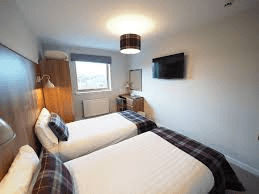
Thurso caters to all kinds of travelers, from backpackers to luxury seekers. Some of the top accommodation options include:
- The Weigh Inn Hotel: A classic, comfortable hotel with views of the Pentland Firth.
- Pentland Lodge House: A family-run B&B in a beautifully restored Victorian house.
- Camping and Caravan Sites: Several excellent spots near Thurso make it ideal for road trippers on the North Coast 500 route.
Thurso and the North Coast 500
One of the reasons Thurso is increasingly on travel itineraries is its location along the famous North Coast 500 route. This scenic loop around the northern Highlands is often called Scotland’s answer to Route 66, and Thurso makes for an essential stop.
As a northernmost point, Thurso offers respite, refueling, and reflection for travelers before they continue along the dramatic coasts of Sutherland and Wester Ross. Whether you’re driving the whole route or just a section, Thurso is a highlight not to be skipped.
Wildlife and Nature Watching
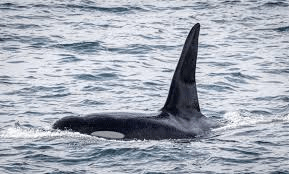
Nature enthusiasts will be delighted by what Thurso and its surrounding area have to offer. Puffins, seals, and even orcas can be spotted along the coastline, especially during the spring and early summer months.
Wildlife cruises depart from nearby harbors, taking visitors to see seabird colonies on the cliffs and the elusive marine mammals of the North Sea. Inland, deer, otters, and various bird species thrive in the heather-strewn hills of Caithness.
Getting to Thurso
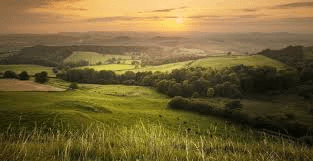
Reaching Thurso is easier than many imagine. It is the last stop on the Far North Railway Line, connecting it to Inverness in around four hours. The scenic train ride is an adventure in itself, passing through moors, mountains, and remote villages.
By car, Thurso is around a 5-hour drive from Inverness via the A9 and A836. For air travelers, the nearest airport is Wick John O’Groats Airport, around 30 minutes away, with connections to Aberdeen and Edinburgh.
Ferries from Scrabster also make it easy to connect to the Orkney Islands, particularly Stromness, making Thurso a crucial travel link in the far north.
Day Trips from Thurso
Thurso serves as a great base for exploring further afield. Some excellent day trips include:
- Orkney Islands: Catch a ferry and explore ancient standing stones, Neolithic villages, and Scapa Flow.
- John O’Groats: The iconic village at the “end” of Britain, ideal for photos and a look into rural Highland life.
- Dunbeath and the Flow Country: A vast, eerie landscape of peat bogs that holds global ecological significance.
Why Thurso Is Worth Visiting
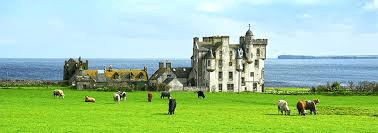
Many people pass through Thurso on their way somewhere else—Orkney, the North Coast 500, or the far-flung cliffs of Cape Wrath. But those who stop to explore quickly realize that Thurso is more than just a waypoint.
It’s a town of wild beauty, steeped in history and community pride. It balances the extremes of nature with human warmth, making visitors feel both awed and welcomed. With its surf scene, seafood, scenic trails, and ancient tales, Thurso is a microcosm of everything that makes the Highlands magical.
Final Thoughts
Thurso may be at the edge of the map, but for those who make the journey, it feels like the center of something special. A place where past and present collide, where land meets sea with dramatic flair, and where the stories of Scotland are still being written in the tides and winds.
From the ancient Norse port to the modern surf town it has become, Thurso invites every visitor to slow down, breathe deep, and explore what lies at the edge of the world.