Best Camping Lanterns – Complete Buyer’s Guide for Outdoor & Emergency Use

The best camping lanterns combine optimal brightness, efficient power consumption, durable construction, and versatile mounting options. In this detailed guide, we explore everything you need to know about camping lanterns—product types, usage scenarios, key features, selection criteria, and how to match lantern categories to your specific outdoor needs. 

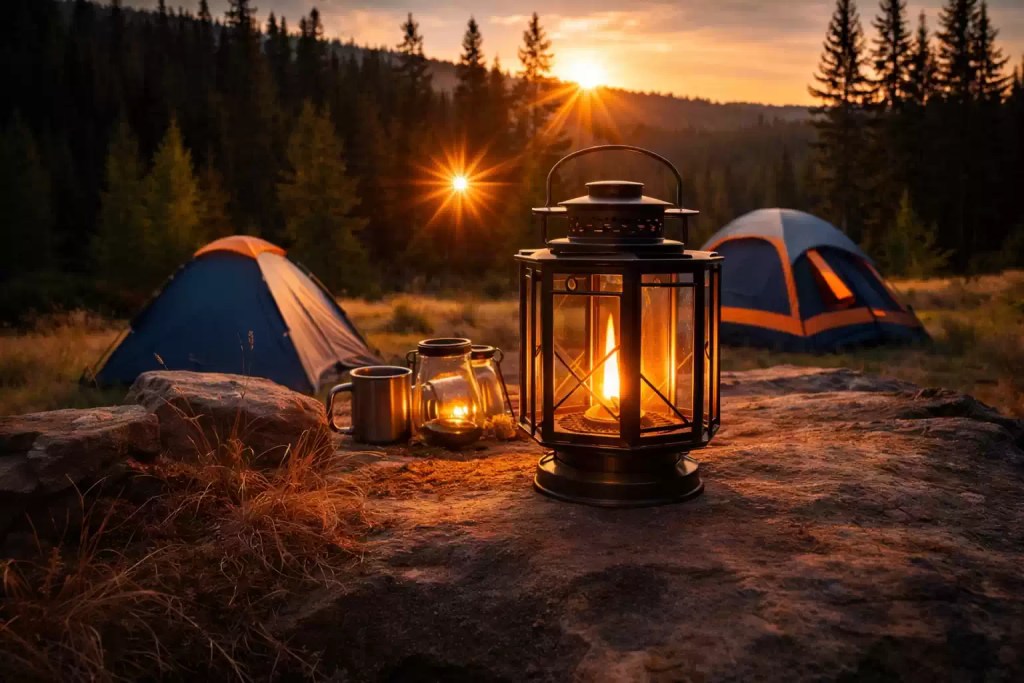
Camping lanterns are one of the most essential yet underestimated pieces of outdoor equipment. The best camping lanterns do far more than simply provide light—they enhance safety, improve comfort, and extend usability of your campsite after dark. Whether you are planning a weekend camping trip, preparing for off-grid travel, or building an emergency preparedness kit, choosing the right lighting solution is critical.

What Is a Camping Lantern?

A camping lantern is a portable, self-powered lighting device designed to illuminate a wide area rather than a narrow beam like a flashlight or headlamp. Unlike torches, lanterns emit 360-degree or wide-angle light, making them ideal for campsites, tents, cooking areas, and group activities.

Camping lanterns are specifically engineered to withstand outdoor conditions such as wind, moisture, dust, and temperature fluctuations. Modern lanterns often integrate LED technology, rechargeable batteries, solar panels, and emergency backup features.

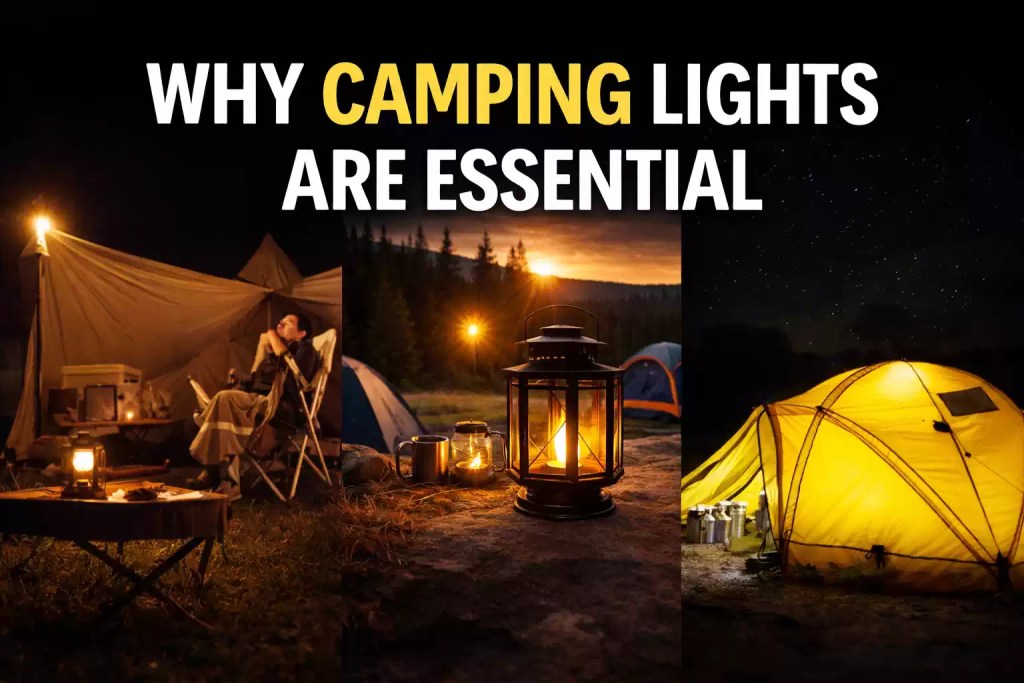
Why Camping Lanterns Are Essential for Outdoor Activities

Camping lanterns serve multiple practical purposes beyond basic illumination:

  • Provide ambient lighting for cooking and dining
  • Enhance campsite safety by preventing trips and falls
  • Improve visibility inside tents and shelters
  • Support night-time activities such as reading or map navigation
  • Serve as emergency lighting during power outages
  • Act as signaling devices in outdoor survival situations

For campers, hikers, van-lifers, and outdoor enthusiasts, lanterns are not optional accessories—they are functional necessities.

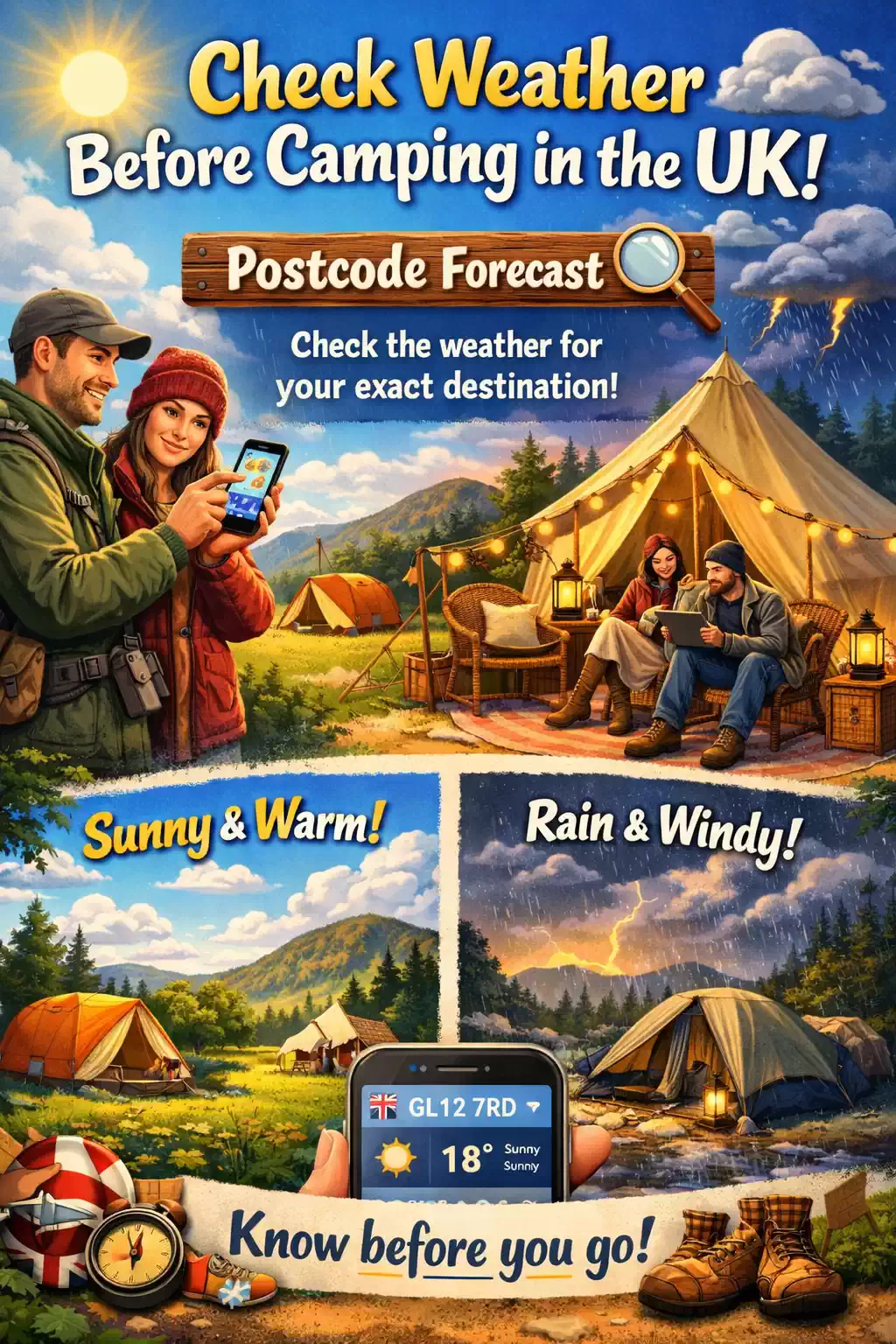
Download the Free UK Camping Checklist

Categories of Camping Lanterns

Understanding the different types of camping lanterns helps narrow down the best option for your use case.

1. LED Camping Lanterns

LED lanterns are the most popular category due to their energy efficiency, long lifespan, and high brightness output. They generate minimal heat and can operate for extended periods on a single charge or battery set.

Best for:
Camping, hiking, family trips, long-duration outdoor use

2. Rechargeable Camping Lanterns

Rechargeable lanterns use built-in lithium-ion batteries and can be charged via USB, power banks, car chargers, or solar panels.

Best for:
Eco-conscious campers, frequent travelers, van life

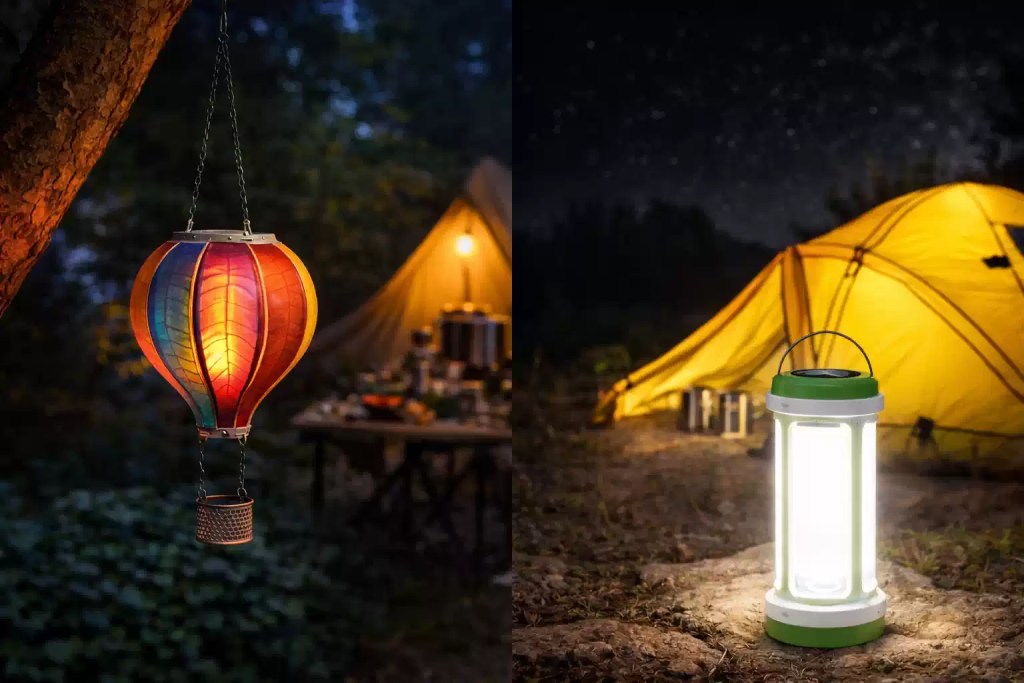
3. Solar Camping Lanterns

Solar lanterns use integrated photovoltaic panels to charge during daylight hours. Many models also support USB charging as a backup.

Best for:
Off-grid camping, emergency preparedness, sustainable travel

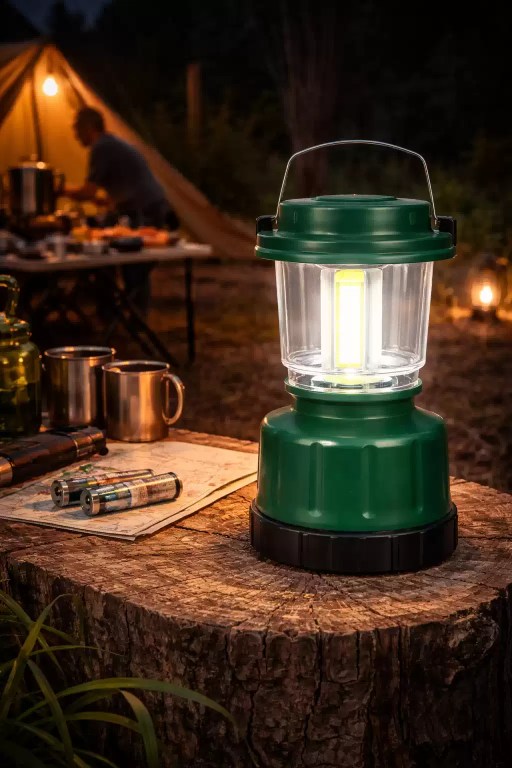
4. Battery-Powered Lanterns

These lanterns operate on replaceable AA, AAA, or D-cell batteries and are widely available and easy to maintain.

Best for:
Emergency kits, backup lighting, infrequent use

5. Collapsible & Inflatable Lanterns

Compact and lightweight, these lanterns are designed for portability and storage efficiency.

Best for:
Backpacking, minimalist camping, festival use

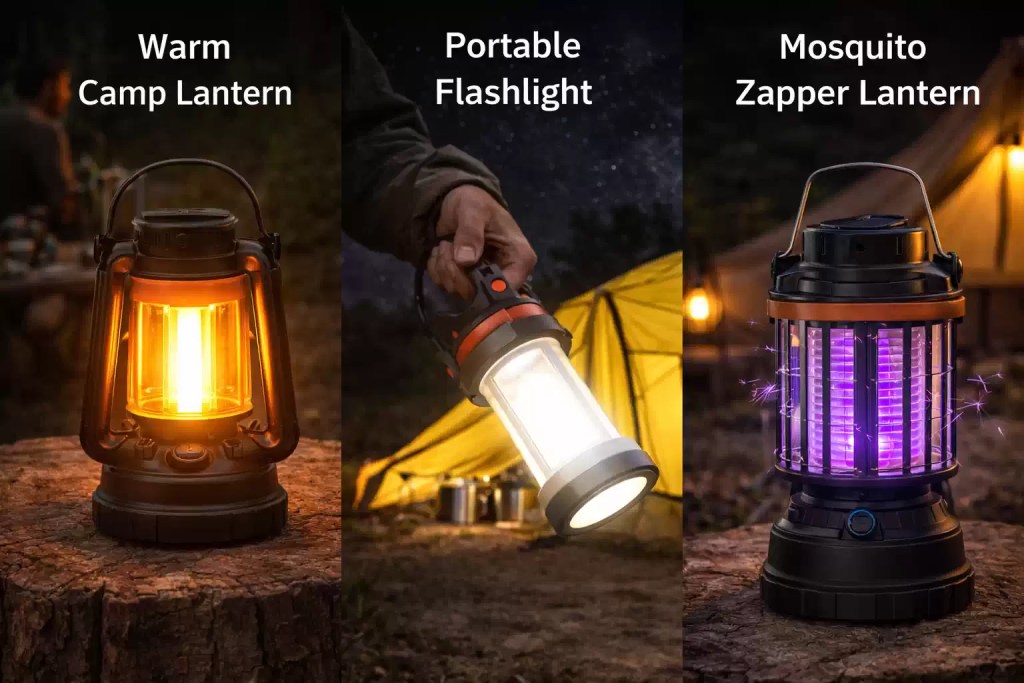
6. Multi-Function Lanterns

Some lanterns include power bank functionality, SOS modes, mosquito repellents, radios, or Bluetooth speakers.

Best for:
Survival kits, adventure travel, extended expeditions

Common Uses of Camping Lanterns

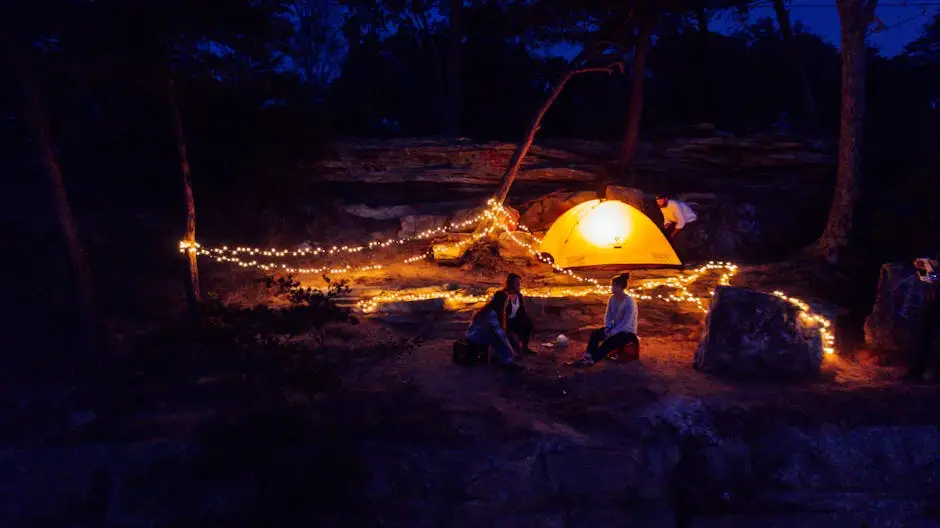
Camping lanterns are highly versatile and suitable for various scenarios:

  • Tent interior lighting
  • Outdoor cooking stations
  • Group seating areas
  • Caravan and RV interiors
  • Emergency home lighting
  • Fishing and night picnics
  • Power outage preparedness
  • Disaster relief and survival kits

Key Features to Look for in the Best Camping Lanterns

Choosing the right lantern requires evaluating multiple technical and functional features.

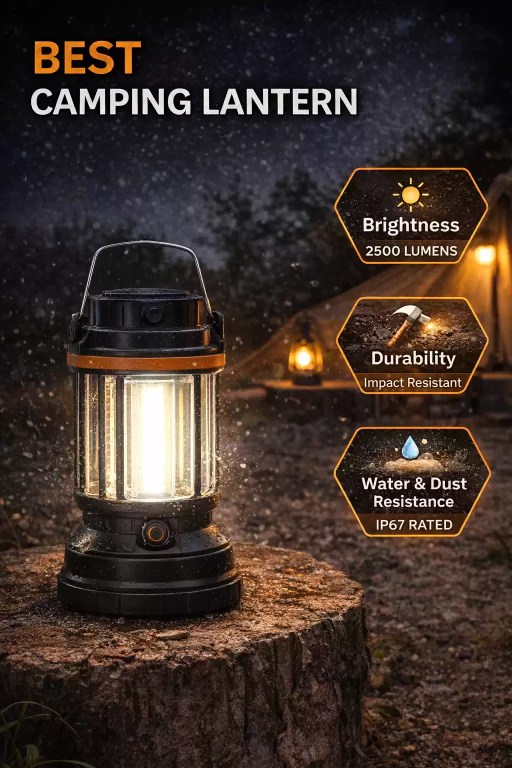
1. Brightness (Lumens)

Brightness is measured in lumens. The ideal lumen range depends on usage:

  • 100–300 lumens: Tent lighting, reading
  • 300–600 lumens: Campsite illumination
  • 600+ lumens: Large group areas, emergency lighting

Adjustable brightness levels are highly recommended.

2. Durability and Build Quality

The best camping lanterns are built to handle outdoor conditions:

  • Impact-resistant housing
  • Weather-resistant seals
  • Shockproof construction
  • Reinforced handles or hooks

 3. Water and Dust Resistance (IP Rating)

Lanterns with IP ratings offer protection against environmental exposure:

  • IPX4: Splash resistant
  • IPX6: Heavy rain resistant
  • IP67: Fully waterproof and dustproof

4.  Light Modes and Adjustability

Multiple lighting modes improve usability:

  • High / medium / low brightness
  • Warm and cool light tones
  • SOS or emergency flash modes
  • Red light mode for night vision

5. Portability and Mounting Options

Look for features such as:

  • Built-in hooks
  • Magnetic bases
  • Hanging loops
  • Compact folding designs

Criteria for Selecting the Best Camping Lanterns

Selecting the right lantern depends on how, where, and how often you will use it.

  • Trip Duration

Short trips may only require compact lanterns, while long expeditions benefit from solar or high-capacity rechargeable models.

  •  Group Size

Larger groups require higher lumen output and broader light dispersion.

  •  Environment and Weather Conditions

Wet or rugged environments demand higher durability and waterproof ratings.

  •  Weight and Storage Constraints

Backpackers should prioritize lightweight, collapsible lanterns.

  • Emergency Preparedness

For emergency use, prioritize lanterns with long runtime, battery flexibility, and SOS modes.

 Supporting Features That Add Value

Modern lanterns often include advanced features that enhance functionality:

  • USB power bank for charging phones

  • Solar charging panels

  • Emergency strobe or SOS light

  • Battery level indicators

  • Anti-glare diffusers

  • Child-safe operation

  • Heat-resistant materials

Camping Lanterns vs Other Lighting Options

Lighting TypeArea CoverageHands-FreeBattery Life
LanternWideYesHigh
TorchNarrowNoMedium
HeadlampFocusedYesMedium

Lanterns provide the best ambient lighting solution for campsites.

Maintenance and Care Tips

To extend lantern lifespan:

  • Fully charge before storage

  • Avoid prolonged exposure to moisture

  • Clean dust and debris after trips

  • Store batteries separately when not in use

  • Avoid overcharging rechargeable units

Future Trends in Camping Lantern Technology

The camping lantern market continues to evolve with:

  • Smart LED lighting control
  • App-connected lanterns
  • Improved solar efficiency
  • Ultra-lightweight composite materials
  • Hybrid power systems

How to Choose the Best Camping Lanterns for Your Needs

There is no single perfect lantern—only the right lantern for your situation. By understanding categories, features, and selection criteria, you can confidently choose from the best camping lanterns available and ensure reliable lighting for any outdoor scenario.

Final Thoughts

Camping lanterns play a vital role in outdoor comfort, safety, and preparedness. Investing in the right lantern ensures dependable illumination across a wide range of environments and activities. By focusing on brightness, battery life, durability, and versatility, you can select a lantern that delivers consistent performance whenever and wherever you need it.

Share this:

Like this:

Like Loading...

Price Based Country test mode enabled for testing United Kingdom (UK). You should do tests on private browsing mode. Browse in private with Firefox, Chrome and Safari

Discover more from FJK SPORTS

Subscribe now to keep reading and get access to the full archive.

Continue reading