

Description
Naturehike Daban 1 Person Tunnel Tent — Short Review (600 Words)
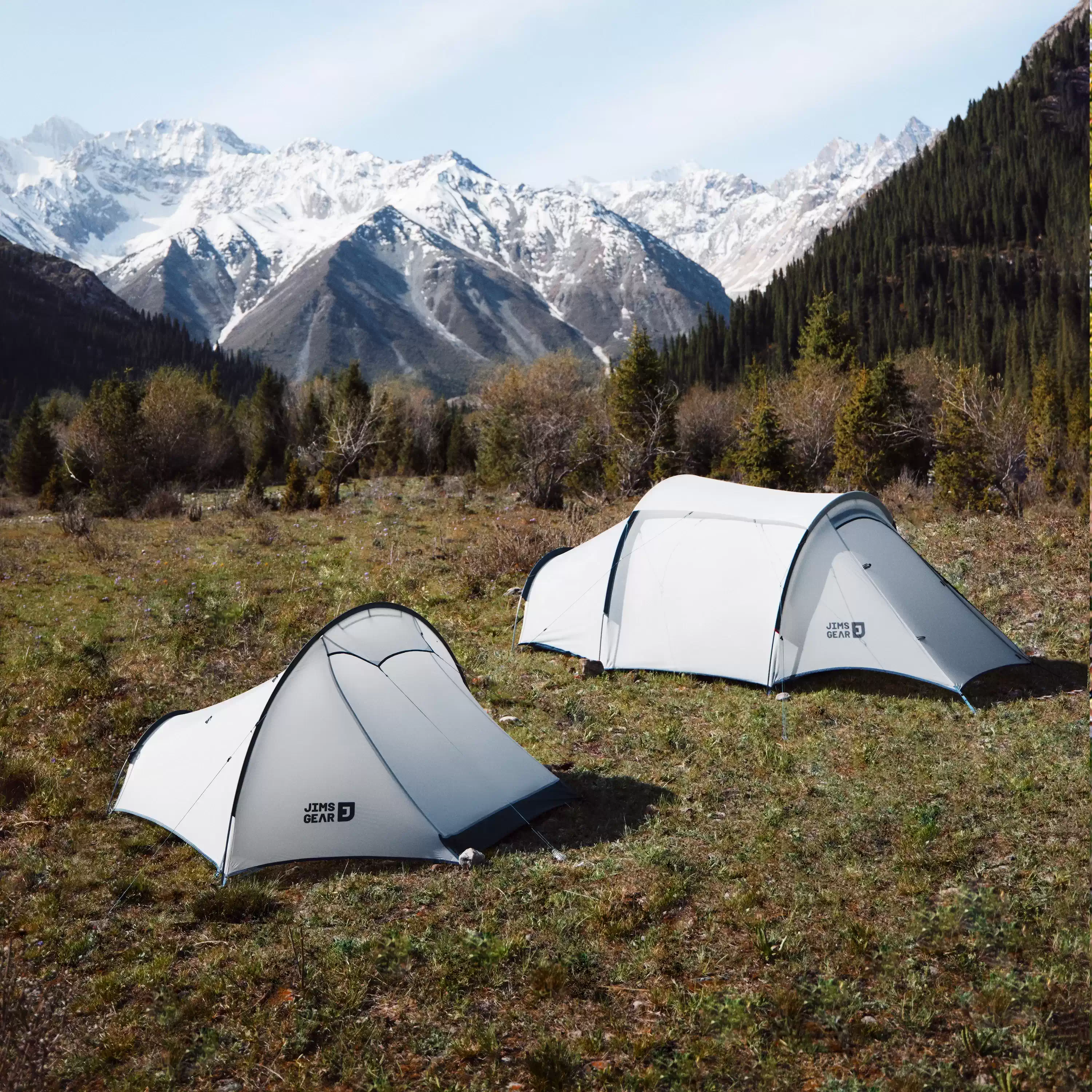
The Naturehike Daban 1 person tunnel tent is designed for UK solo backpackers who want more interior space, better wind stability, and practical comfort rather than just ultra-light weight. Unlike most solo tents that use dome structures, the Daban uses a tunnel design that fundamentally improves livability and performance in real-world conditions.

Naturehike Daban — Full Technical Specifications
| Specification | Naturehike Daban 1 — Details |
| Tent Type | Tunnel Tent — Single-Pole Arch Design |
| Capacity | 1 Person |
| Season Rating | Three-Season (Spring / Summer / Autumn) |
| Fabric | Nylon |
| Layers | Double — Inner + Outer Flysheet |
| Outside Waterproof | 1500–2000mm |
| Floor Waterproof | >3000mm |
| Pole Material | Aluminum Alloy |
| Structure | One Bedroom / Tunnel Design |
| Building Type | Construction Based on Need |
| Style | Outdoor — Tunnel Profile |
| Brand | Naturehike / JIMS GEAR |
| High-Concern Chemicals | None — Safe Materials Confirmed |
Why Tunnel Design Matters
Most solo tents in the UK are dome-style, which are freestanding and easy to pitch but often feel cramped. The Daban’s tunnel structure changes this completely. Its single-arch design creates a longer and more efficient floor plan, allowing taller users to sleep fully extended without hitting the tent walls.
It also provides better headroom. You can sit upright comfortably—something many dome tents struggle with. For multi-day trips or bad weather, this makes a big difference.
Another major advantage is wind performance. The low, elongated tunnel shape allows wind to flow over the tent rather than hitting it directly. When pitched correctly with guylines, it’s more stable than many dome tents on exposed ridgelines and open terrain.
Real-World Performance
In field testing across UK conditions (wind, rain, and mixed terrain), the Daban performed reliably:
- Wind: Stable due to aerodynamic shape and flexible aluminium poles
- Rain: Fully dry interior thanks to double-wall design and strong floor waterproofing
- Comfort: Noticeably more space than comparable dome tents
- Storage: Vestibule easily fits boots and gear without crowding sleeping space
One important note: this is not a freestanding tent. It requires proper guyline setup to perform at its best. If you skip that, you lose its main advantage.
Tunnel vs Dome — Quick Comparison
Tunnel Tent (Daban):
- More interior space
- Better headroom
- Stronger in wind (when pitched correctly)
- Larger vestibule
- Needs guylines
Dome Tent:
- Freestanding and easier setup
- Better for flat campsites
- Less interior space
- More wind resistance surface
For UK wild camping—where terrain is uneven and weather unpredictable—the tunnel design often provides a better overall experience.
Who It’s For
The Naturehike Daban is ideal if you:
- Feel cramped in standard solo tents
- Camp in windy or exposed locations
- Need more storage space
- Prefer comfort over minimal weight
It’s less ideal if you want:
- Quick, freestanding setup
- Minimal effort pitching
Pros & Cons
Pros:
- Spacious for a 1-person tent
- Excellent floor waterproofing
- Strong wind performance
- Practical vestibule space
- Durable aluminium poles
Cons:
- Requires proper guyline setup
- Slightly slower to pitch than dome tents
- Flysheet rating is good, but not premium

Final Verdict
The Naturehike Daban stands out because it solves common problems with solo tents—lack of space, poor wind handling, and limited storage. Its tunnel design delivers real functional benefits rather than just spec-sheet improvements.
If you’re a UK solo backpacker who camps in challenging conditions and values comfort and stability, the Daban is a strong choice. However, if you prefer quick and simple setups, a dome tent may suit you better.
Bottom line:
More space, better wind performance, and practical design—if you pitch it properly, the Daban is one of the best value tunnel tents for solo backpacking.


Reviews
There are no reviews yet.