How to Do Keyword Research for SEO UK | 2026- Guide
Knowing how to do keyword research for SEO is one of the foundations of an effective search strategy.
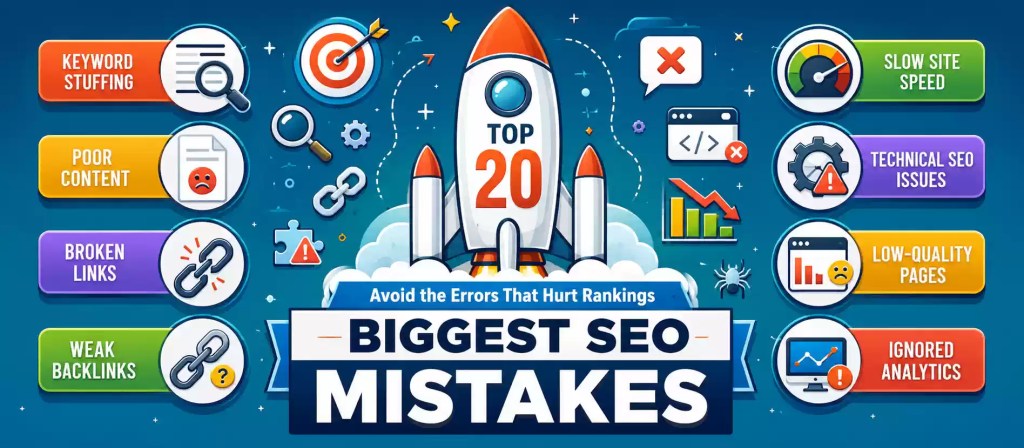
In the ever-evolving landscape of digital marketing, Search Engine Optimization (SEO) remains a cornerstone for driving organic traffic to websites. However, mastering SEO is no easy feat, and even seasoned professionals can fall prey to common pitfalls. Whether you’re a beginner or a seasoned SEO practitioner, steering clear of these mistakes is crucial for achieving success in 2024 and beyond. In this blog post, we’ll delve into the top 20 biggest mistakes in SEO and provide actionable tips on how to avoid them.

With the majority of internet users accessing content through mobile devices, neglecting mobile optimization is a cardinal sin in SEO. Ensure your website is responsive, loads quickly on mobile devices, and provides a seamless user experience across all screen sizes.

Google’s Core Web Vitals have become integral to its algorithm, focusing on user experience metrics such as loading speed, interactivity, and visual stability. Ignoring these vital signals can lead to lower search rankings. Prioritize optimizing your site’s performance to meet Core Web Vitals benchmarks.
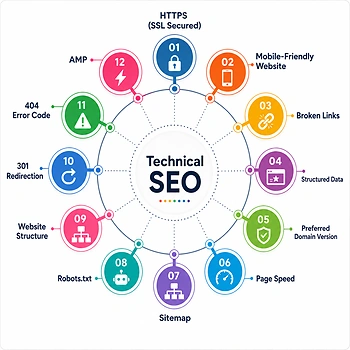
Technical SEO forms the foundation of your website’s search visibility. Ignoring technical aspects such as crawlability, indexability, and site structure can hinder your site’s ability to rank effectively. Conduct regular technical audits and address any issues promptly.

In the past, keyword stuffing may have yielded short-term gains, but in 2024, it’s a surefire way to incur penalties from search engines. Focus on creating high-quality, relevant content that naturally incorporates keywords in a meaningful manner.

Understanding user intent is paramount in modern SEO. Tailor your content to align with search intent, whether it’s informational, transactional, or navigational, to provide users with the most relevant results.

For businesses targeting local markets, neglecting local SEO can be detrimental. Claim your Google My Business listing, optimize it with accurate information, and leverage local citations and reviews to improve your local search visibility.

Images play a crucial role in enhancing user experience, but they can also impact page load times if not optimized properly. Compress images, use descriptive filenames, and include alt text to improve accessibility and search engine crawlability.

In the era of E-A-T (Expertise, Authoritativeness, Trustworthiness), content quality reigns supreme. Prioritize creating comprehensive, well-researched content that demonstrates expertise in your niche and fosters trust with your audience.

Structured data markup provides search engines with additional context about your content, improving the likelihood of rich snippets and enhanced search results. Implement structured data markup to enhance your site’s visibility and click-through rates.

Quality backlinks remain a crucial ranking factor in SEO. Focus on acquiring high-quality, relevant backlinks from authoritative websites through outreach, content marketing, and networking within your industry.

Effective SEO requires continuous monitoring and analysis of key performance metrics. Utilize tools like Google Analytics and Google Search Console to track your website’s performance, identify trends, and make data-driven optimizations.

With the rise of voice-enabled devices, optimizing for voice search is becoming increasingly important. Tailor your content to answer conversational queries and incorporate long-tail keywords that mimic natural language patterns.
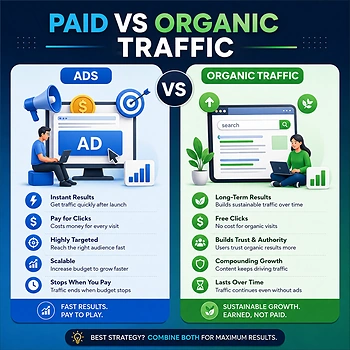
While organic traffic is valuable, diversifying your traffic sources can safeguard against fluctuations in search engine algorithms. Invest in other channels such as social media, email marketing, and paid advertising to supplement your SEO efforts

On-page SEO elements such as title tags, meta descriptions, and header tags are fundamental for communicating the relevance of your content to search engines. Optimize these elements strategically to improve your chances of ranking for target keywords.

Website security is not only essential for protecting user data but also for maintaining search engine trust. Implement HTTPS encryption, keep your software up to date, and regularly scan for vulnerabilities to safeguard your site from security threats.

Featured snippets occupy prime real estate in search engine results, making them highly coveted. Structure your content to address common questions and queries concisely, increasing the likelihood of earning featured snippet placements.

While social signals may not directly impact search rankings, they can indirectly influence factors such as brand visibility and website traffic. Maintain an active presence on social media platforms and encourage social sharing to amplify your content’s reach.

Consistency is key in SEO, whether it’s publishing new content or updating existing ones. Establish a content calendar and stick to a regular publishing schedule to maintain engagement with your audience and signal freshness to search engines.

Google’s shift to mobile-first indexing means that your website’s mobile version is now the primary basis for how Google indexes and ranks your site. Ensure that your mobile site is optimized for usability, speed, and content parity with the desktop version.
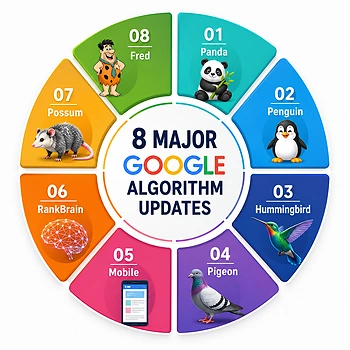
Search engine algorithms are constantly evolving, necessitating agility and adaptability in your SEO strategy. Stay informed about algorithm updates, industry trends, and best practices to pivot your strategy accordingly and maintain your competitive edge.
In conclusion, avoiding these 20 common SEO mistakes can significantly enhance your website’s visibility, traffic, and ultimately, its success in 2024 and beyond. By prioritizing user experience, technical excellence, and staying abreast of industry developments, you can navigate the ever-changing landscape of SEO with confidence and achieve sustainable results.
 How FJK SEO UK Can Help
FJK SEO UK supports businesses that want organic search to become a measurable commercial channel rather than simply another marketing activity. The approach combines: