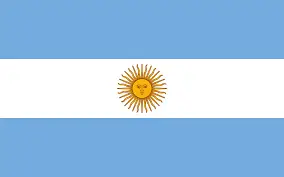
Exploring Argentina: A Comprehensive Guide for the 2024-25
Argentina, a land of diverse landscapes, rich cultural heritage, and vibrant cities, is a dream destination for travelers. Whether you are an adventure seeker, a history buff, or a food enthusiast, Argentina offers a plethora of experiences that cater to every type of traveler. This guide will take you through the must-visit destinations, unique experiences, and practical tips for making the most of your Argentina tour in 2024-25. Today you will be Exploring Argentina: Must-Visit Destinations of 2024-25.
Buenos Aires: The Paris of South America
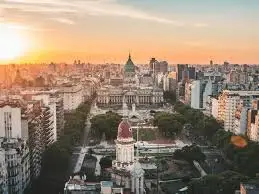
Discovering the Capital
Buenos Aires, the capital city, is often referred to as the “Paris of South America” due to its European-style architecture and vibrant cultural scene. Start your journey in the heart of the city at Plaza de Mayo, where you can visit the Casa Rosada, the presidential palace with its iconic pink façade. Nearby, the Metropolitan Cathedral and the Cabildo (town hall) offer glimpses into Argentina’s colonial past.
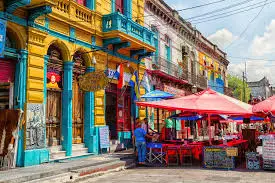
Neighborhoods to Explore
- San Telmo: Known for its cobblestone streets, antique shops, and tango culture. Visit the San Telmo Market for a taste of local cuisine and artisanal products.
- La Boca: Famous for its colorful buildings and the Caminito street museum. La Boca is also home to the legendary Boca Juniors football club.
- Recoleta: An upscale neighborhood with elegant architecture and the famous Recoleta Cemetery, where Eva Perón is buried.
- Palermo: A trendy area with hip bars, restaurants, and parks. Palermo Soho and Palermo Hollywood are particularly popular for their vibrant nightlife and shopping.
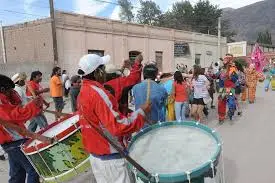
Cultural Experiences
- Tango Shows: No visit to Buenos Aires is complete without experiencing a tango show. Venues like El Viejo Almacén and Café de los Angelitos offer captivating performances.
- Teatro Colón: One of the world’s most renowned opera houses, offering guided tours and world-class performances.
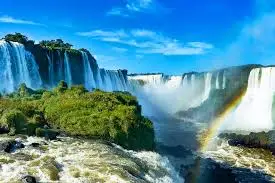
Iguazu Falls: Nature’s Masterpiece
Located on the border between Argentina and Brazil, Iguazu Falls is one of the most spectacular natural wonders of the world. The falls are part of the Iguazu National Park, a UNESCO World Heritage site.
Exploring the Falls
- Argentinian Side: The Argentinian side offers a more immersive experience with walking trails that take you up close to the falls. The Devil’s Throat (Garganta del Diablo) is the most impressive section, with a walkway leading to a platform right at the edge of the thundering water.
- Brazilian Side: While the Brazilian side offers a panoramic view, it is worth crossing the border to see the falls from this perspective as well.
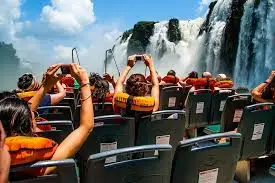
Activities
- Boat Tours: Get a different perspective of the falls with a boat tour that takes you close to the cascades.
- Wildlife Watching: The surrounding rainforest is home to diverse wildlife, including toucans, coatis, and howler monkeys.
Patagonia: The Untamed Wilderness
Patagonia, located at the southern end of South America, is a region of breathtaking landscapes, including glaciers, mountains, and vast steppes.

El Calafate and Perito Moreno Glacier
El Calafate serves as the gateway to Los Glaciares National Park, home to the Perito Moreno Glacier. Unlike many other glaciers, Perito Moreno is advancing rather than retreating, making it a fascinating destination for glacier enthusiasts.
- Glacier Trekking: Experience the thrill of trekking on the glacier with guided tours that cater to various skill levels.
- Boat Tours: Navigate close to the glacier’s towering ice walls on a boat tour, offering another perspective of this natural wonder.
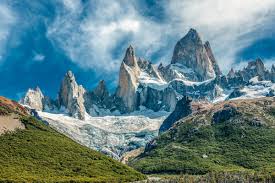
El Chaltén: The Trekking Capital
Known as the trekking capital of Argentina, El Chaltén is a small village within Los Glaciares National Park. It is a haven for hikers and climbers.
- Mount Fitz Roy: One of the most iconic peaks in Patagonia, offering challenging climbs and stunning vistas.
- Laguna de los Tres: A popular trek that provides breathtaking views of Fitz Roy and the surrounding lakes and glaciers.

Ushuaia: The End of the World
Ushuaia, the southernmost city in the world, is the gateway to Tierra del Fuego National Park and a starting point for Antarctic expeditions.
- Beagle Channel: Explore the Beagle Channel by boat, where you can see diverse marine life, including sea lions, penguins, and whales.
- Tierra del Fuego National Park: Hike through the park’s rugged landscapes, including forests, mountains, and coastal areas.
The Wine Regions: A Taste of Argentina
Argentina is renowned for its wine, particularly Malbec. The wine regions of Mendoza, Salta, and Patagonia offer excellent opportunities for wine tasting and vineyard tours.
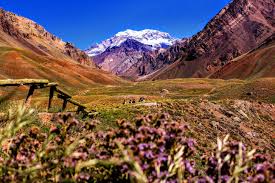
Mendoza: The Heart of Wine Country
Mendoza is Argentina’s primary wine-producing region, located at the foothills of the Andes.
- Vineyard Tours: Visit renowned wineries such as Catena Zapata, Bodega Norton, and Bodega Salentein for tours and tastings.
- Wine and Adventure: Combine wine tasting with adventure activities like horseback riding, hiking, and white-water rafting.
Salta: High Altitude Wines
Salta, in the northwest of Argentina, is known for its high-altitude vineyards, which produce unique and flavorful wines.
- Cafayate: The main wine-producing area in Salta, offering tours of wineries like Bodega Colomé and El Esteco.
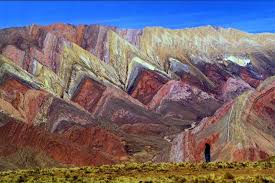
- Quebrada de las Conchas: A stunning canyon with vibrant rock formations, perfect for a scenic drive or hike.
Patagonia: Emerging Wine Region
Patagonia is an emerging wine region, known for its cool-climate wines.
- Neuquén and Río Negro: These areas are home to wineries such as Bodega del Fin del Mundo and Bodega Humberto Canale, offering tours and tastings in a picturesque setting.
Practical Tips for Your Argentina Tour
When to Visit
- Summer (December to February): Ideal for visiting Patagonia and the southern regions.
- Autumn (March to May): Great for wine regions and Buenos Aires, with mild weather and fewer tourists.
- Winter (June to August): Best for skiing in the Andes and visiting the northwest regions.
- Spring (September to November): Another good time for Buenos Aires and the wine regions, with blooming flowers and pleasant temperatures.

Getting Around
- Domestic Flights: Argentina is a vast country, and domestic flights are the most efficient way to cover large distances.
- Buses: Long-distance buses are a popular and comfortable option, with services ranging from standard to luxury.
- Car Rentals: Renting a car is a good option for exploring regions like Patagonia and the wine country at your own pace.
Language
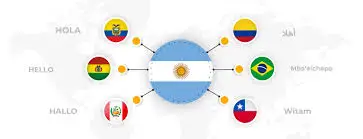
- Spanish is the official language, but English is widely understood in tourist areas. Learning a few basic Spanish phrases can enhance your travel experience.

Currency
- The Argentine Peso (ARS) is the official currency. Credit cards are widely accepted, but it is advisable to carry some cash, especially in remote areas.

Safety
- Argentina is generally safe for tourists, but it is important to stay vigilant, especially in crowded areas and public transport. Avoid displaying valuables and be cautious at ATMs.

Health and Travel Insurance
- Ensure you have comprehensive travel insurance that covers medical expenses, trip cancellations, and lost luggage.
- No special vaccinations are required for Argentina, but it is advisable to check for any updates before your trip.
Conclusion
Argentina, with its rich tapestry of landscapes, cultures, and experiences, is a destination that captivates the heart of every traveler. From the bustling streets of Buenos Aires to the majestic peaks of Patagonia, the thundering falls of Iguazu to the tranquil vineyards of Mendoza, each region offers something unique and unforgettable. As you plan your Argentina tour for 2024-25, let this guide be your companion in discovering the beauty, diversity, and charm of this South American gem. Prepare to be enchanted by Argentina’s allure, and create memories that will last a lifetime.