
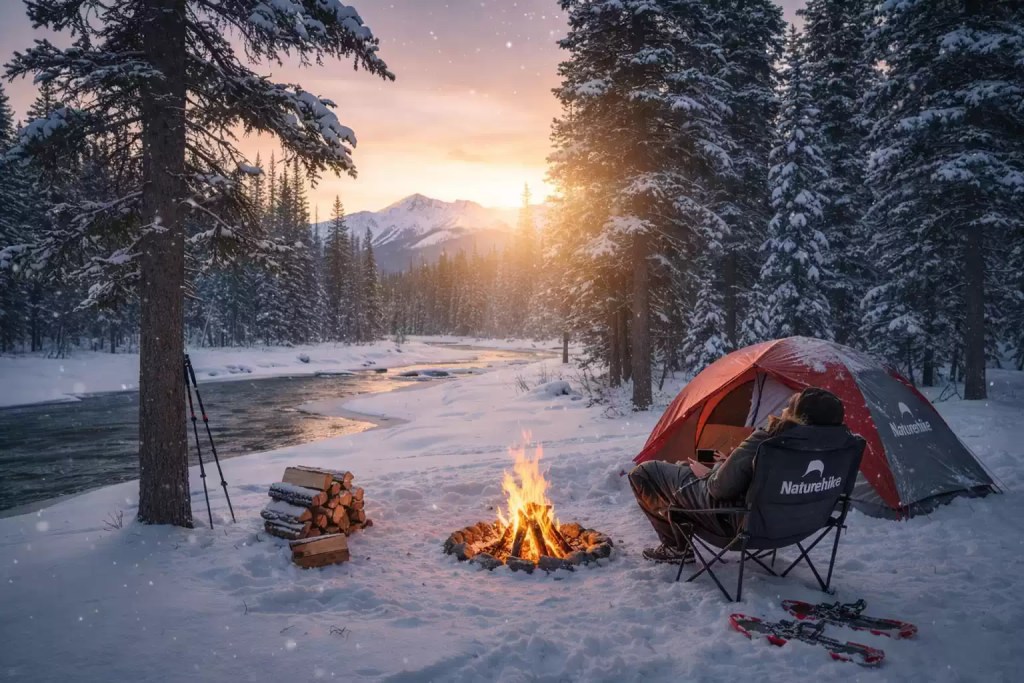
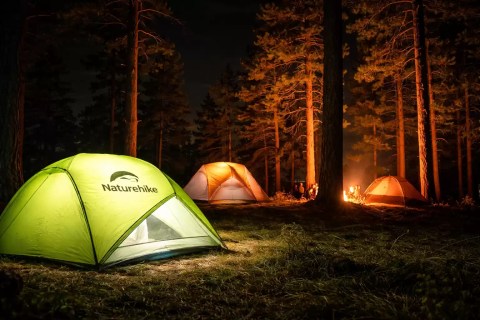
Best Woodland Grove Camping UK – Where to Camp in Nature (2026 Guide)
Introduction to Woodland Grove Camping
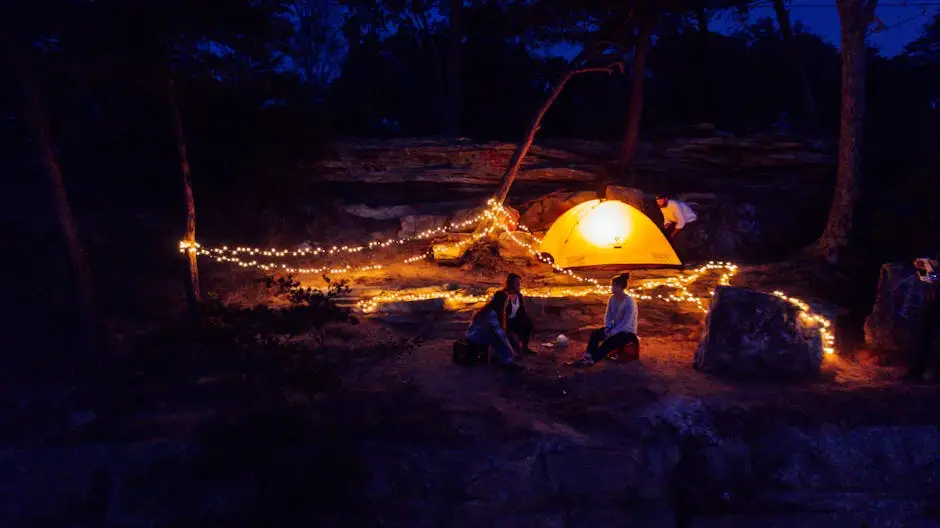
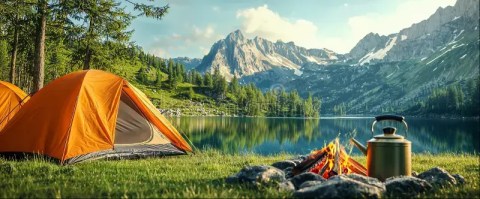
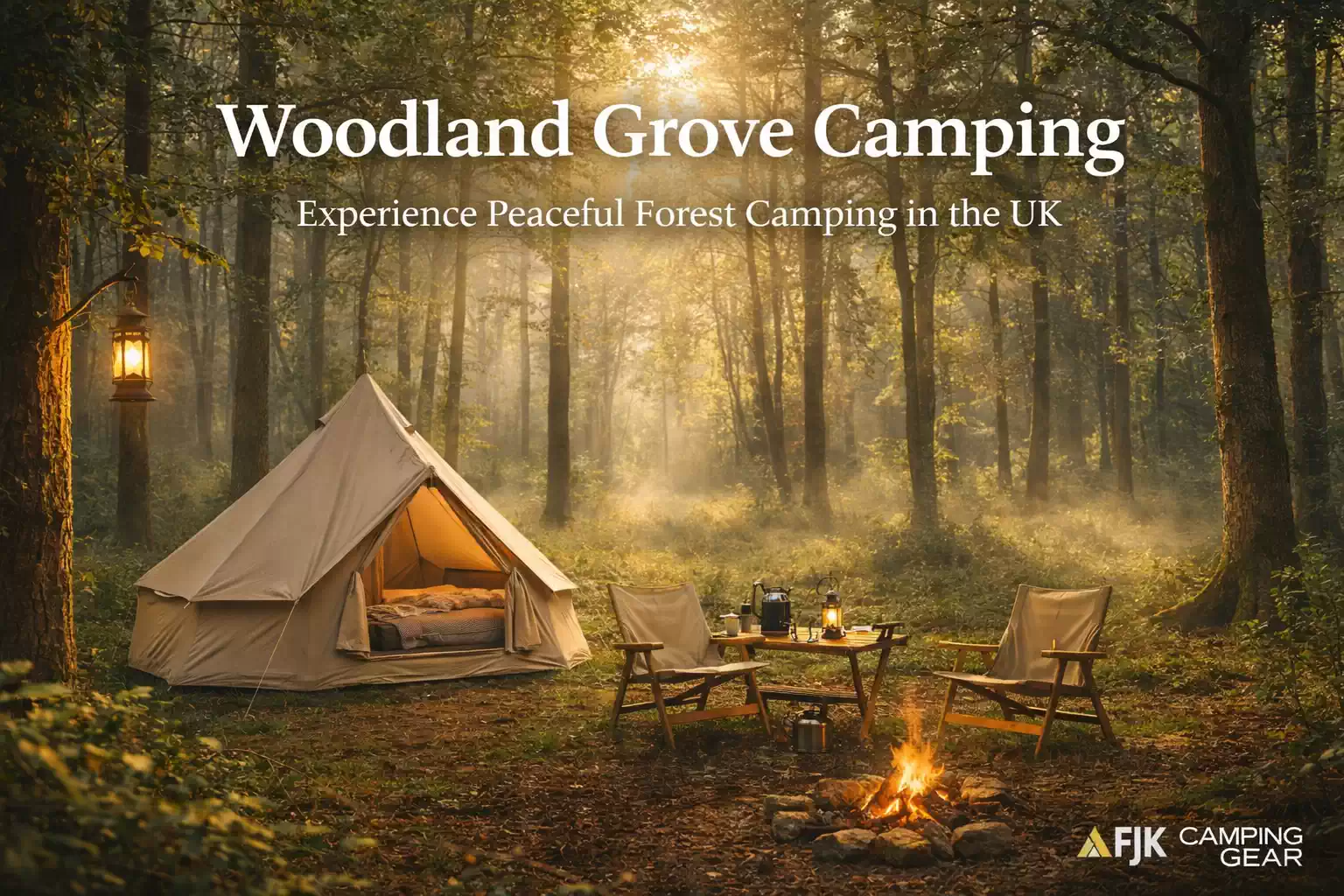
Woodland grove camping offers one of the most immersive and peaceful outdoor experiences available in the UK today. For those seeking to escape the noise of daily life and reconnect with nature, woodland grove camping provides a unique setting where trees, wildlife, and natural surroundings create a calming environment unlike any traditional campsite.
Instead of open fields and crowded pitches, woodland camping surrounds you with tall trees, filtered sunlight, and the soothing sounds of birds and rustling leaves. This type of camping has become increasingly popular among UK travellers who want a more authentic and relaxing outdoor experience. Whether you are a first-time camper or an experienced outdoor enthusiast, woodland settings provide a deeper connection to nature that is difficult to replicate elsewhere.
Across regions such as the Lake District, Scottish Highlands, Snowdonia, and the New Forest, woodland camping offers a blend of adventure and tranquillity. It is not just about where you sleep—it is about how you experience the outdoors.
What Makes Woodland Grove Camping Unique
Woodland grove camping differs significantly from standard camping experiences because of its natural environment. Instead of pitching your tent on exposed ground, you are surrounded by trees that create a sheltered, shaded, and more private space. This natural cover plays a major role in enhancing comfort, especially in the UK where weather conditions can change quickly.
The presence of trees provides protection from wind and reduces the impact of rain, making the campsite feel more stable and secure. During warmer months, the canopy above helps regulate temperature, keeping the area cooler during the day and reducing heat loss at night.
Another defining feature is the sense of privacy. Woodland campsites are typically more spaced out, allowing campers to enjoy solitude without constant disturbance. This makes them ideal for couples, solo travellers, and families looking for a quieter environment.

Naturehike Snowbird™ Down Mummy Sleeping Bag
Naturehike Snowbird SP700 down mummy sleeping bag used outside tent for cold weather camping
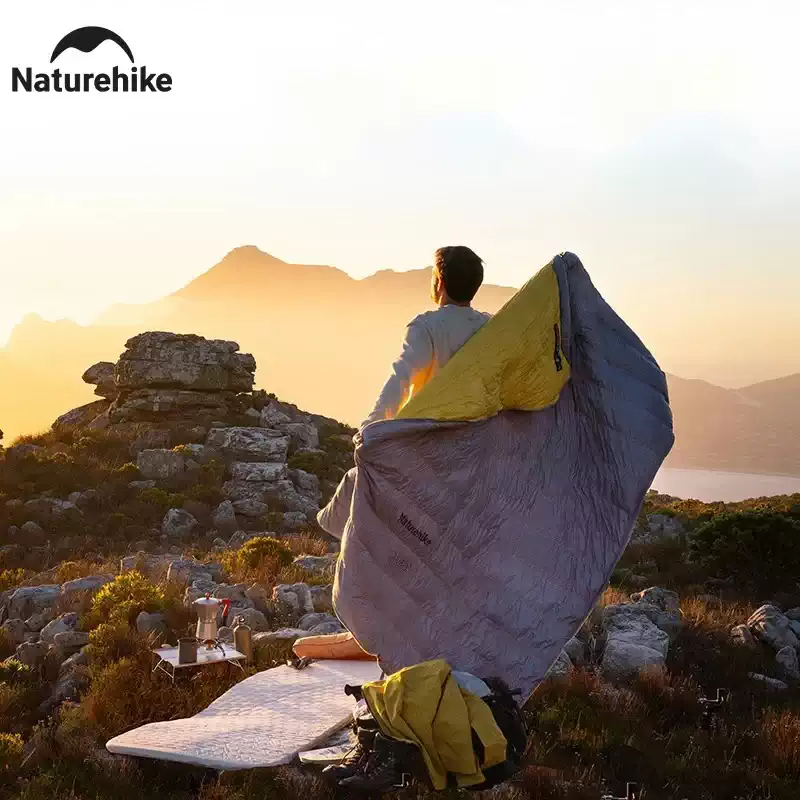
Naturehike CW™700 Down Sleeping Bag
Naturehike CW 700 ultralight sleeping bag used as blanket and cape camping UK
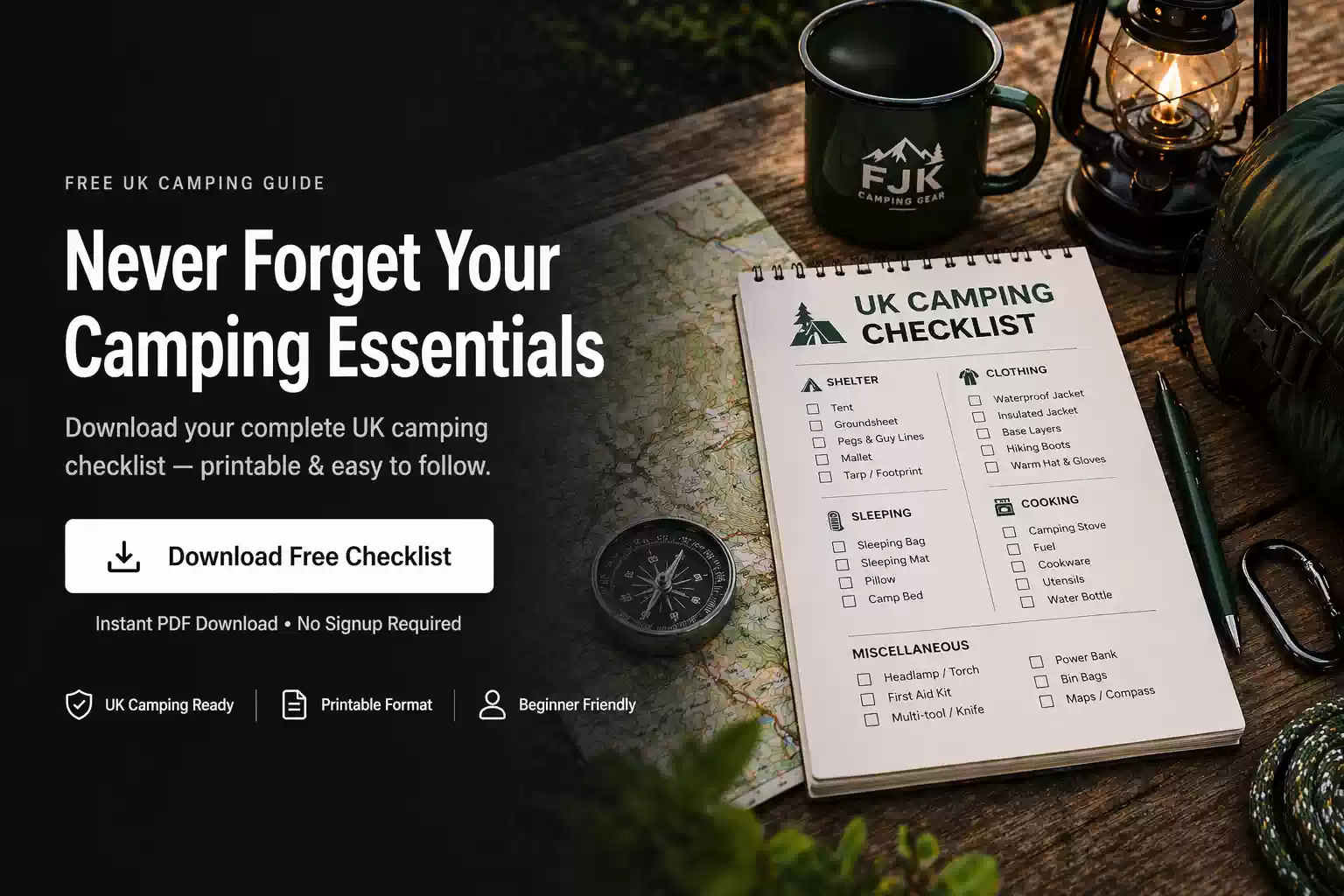
Camping Checklist Printable – Free UK Download
Looking for a reliable camping checklist printable for your next UK adventure? Our free, easy-to-use PDF helps you pack smart and avoid last-minute stress. Designed specifically for UK weather and campsite conditions, it covers essentials like tents, sleeping gear, cooking equipment, clothing layers, and safety items.
Whether you’re planning a summer weekend in the Lake District or a family camping trip in Scotland, this camping checklist printable keeps everything organised in one place.
Download your free UK camping checklist printable today and camp with confidence.
The Growing Popularity of Woodland Camping in the UK
In recent years, woodland grove camping has gained momentum as more people seek meaningful outdoor experiences. The shift towards nature-based travel has been influenced by a desire for mental well-being, digital detox, and sustainable tourism.
The UK’s diverse landscapes make it particularly suited for woodland camping. From ancient forests to managed woodland parks, there are countless locations where campers can experience this style of outdoor living. The appeal lies not only in the scenery but also in the atmosphere. Being surrounded by nature has a calming effect that reduces stress and promotes relaxation.
Many campers report better sleep quality in woodland environments due to reduced noise and natural shade. Unlike open campsites where wind and exposure can disturb rest, woodland settings provide a more stable and comfortable sleeping environment.

Exploring the Best Woodland Camping Locations
The UK offers a wide range of woodland camping destinations, each with its own character and appeal. In the Lake District, woodland campsites often sit near lakes and hiking trails, offering stunning views and easy access to outdoor activities. The Scottish Highlands provide a more rugged and remote experience, ideal for those seeking true wilderness.
Snowdonia combines mountainous landscapes with forested areas, creating a dramatic and adventurous camping setting. Meanwhile, the New Forest offers a more family-friendly environment where wildlife such as ponies roam freely. In Cornwall, woodland campsites often blend coastal views with forest surroundings, providing a unique combination of scenery.
Each location offers a slightly different interpretation of woodland grove camping, but all share the same core elements of nature, privacy, and tranquillity.
Woodland Grove Camping vs Traditional Camping
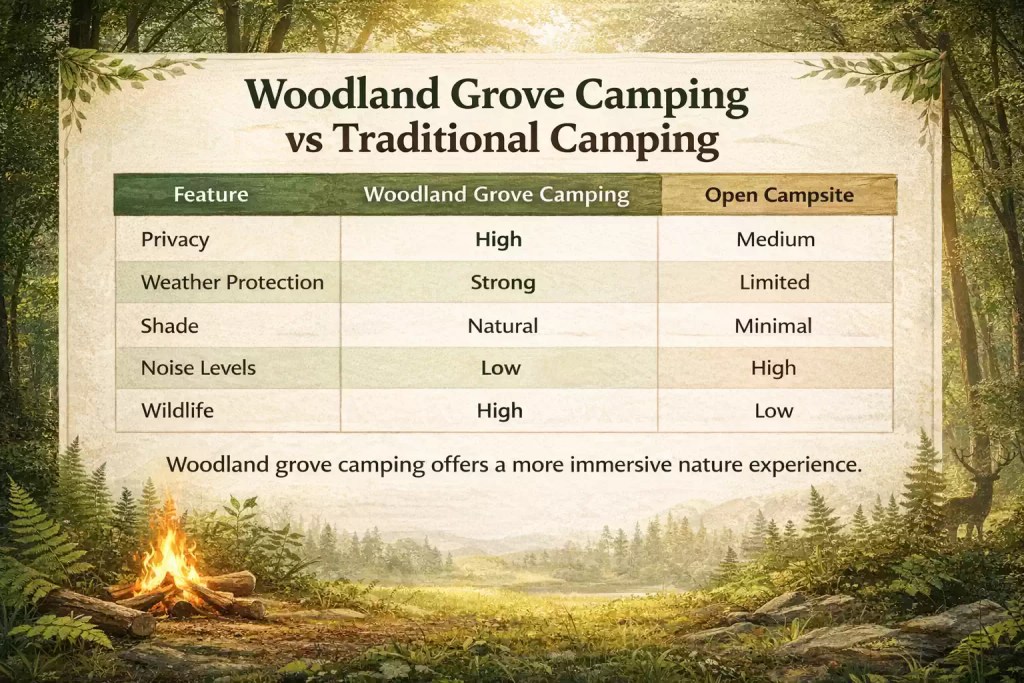
The difference between woodland grove camping and traditional camping becomes clear once you experience both. Traditional campsites are often located in open fields with clearly marked pitches and shared facilities. While they are convenient, they can feel crowded and exposed.
In contrast, woodland camping offers a more immersive and natural setting. The presence of trees creates a sense of enclosure and comfort, while the reduced noise levels make it easier to relax. Weather conditions also feel less harsh due to natural windbreaks and shade.
This shift from structured camping to a more organic experience is one of the main reasons why woodland grove camping continues to grow in popularity.
Essential Gear for Woodland Grove Camping
Preparing for woodland camping requires thoughtful selection of gear to ensure comfort and safety. The environment itself influences what you need, especially when dealing with uneven ground, moisture, and reduced sunlight.
A reliable shelter is the foundation of your setup. While tents are commonly used, many campers are now turning to hammocks due to their suitability for woodland environments. Hammocks allow you to sleep above the ground, avoiding damp conditions and uneven surfaces.
Lighting is another important consideration. Woodland areas tend to become darker earlier due to tree cover, making lanterns and headlamps essential. Rechargeable lighting options are particularly useful for longer stays.
Cooking equipment should be compact and efficient, allowing you to prepare meals without taking up too much space. Waterproof gear is also essential, as woodland environments can retain moisture even when it is not raining.

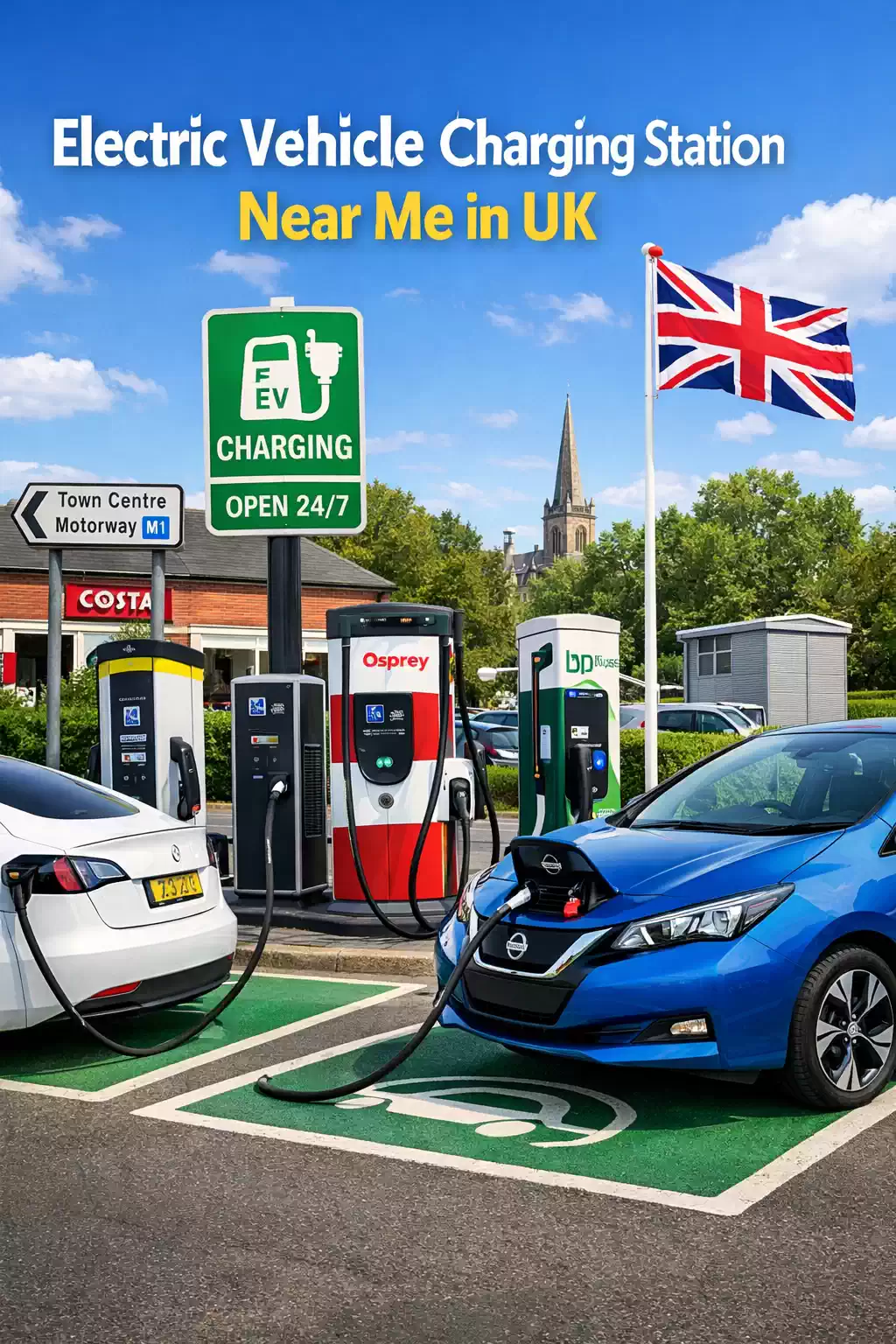
Electric vehicle charging station Near Camping site
Enter your post code - Click to find
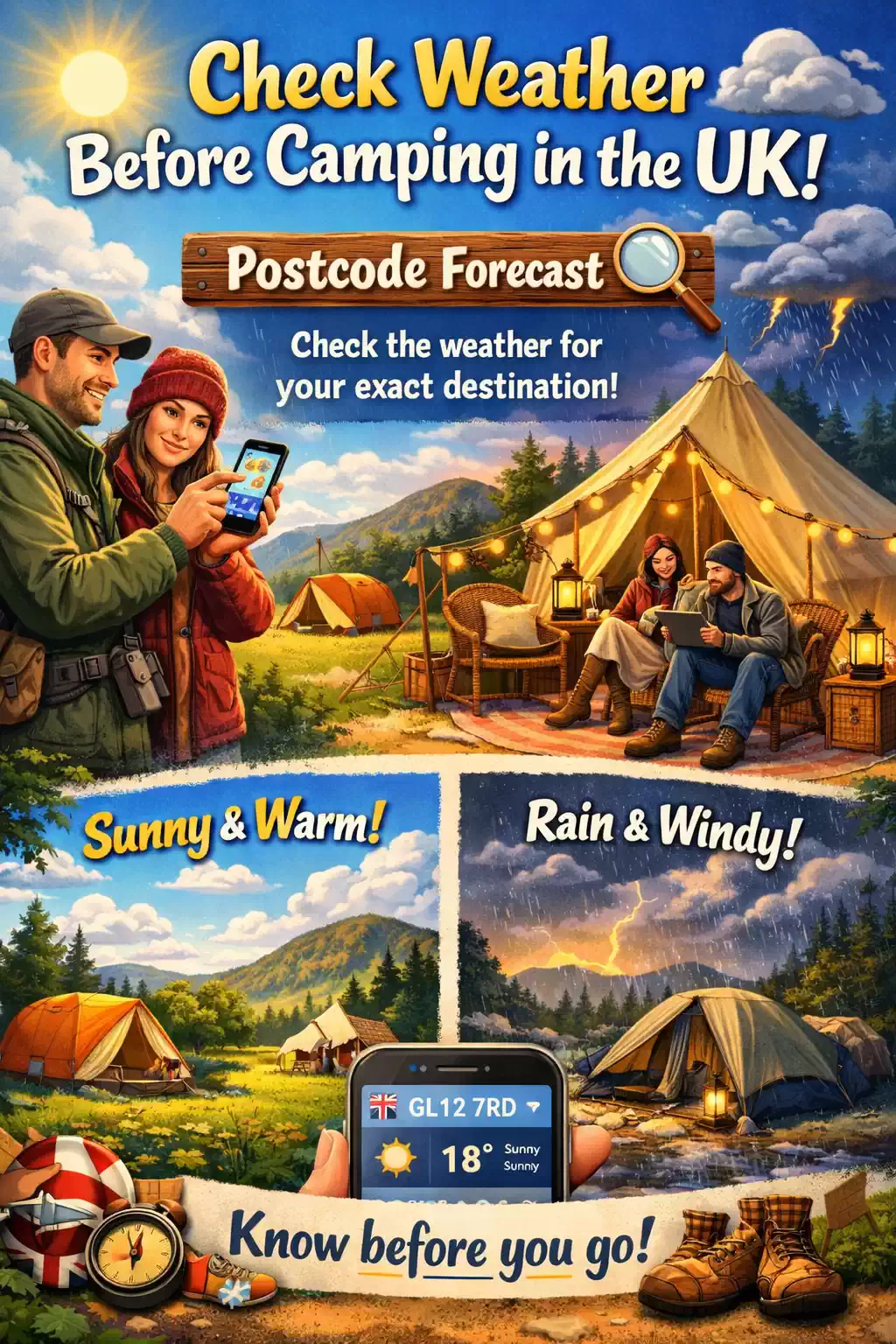
Check Weather Before Camping
Click on the image to find the weather
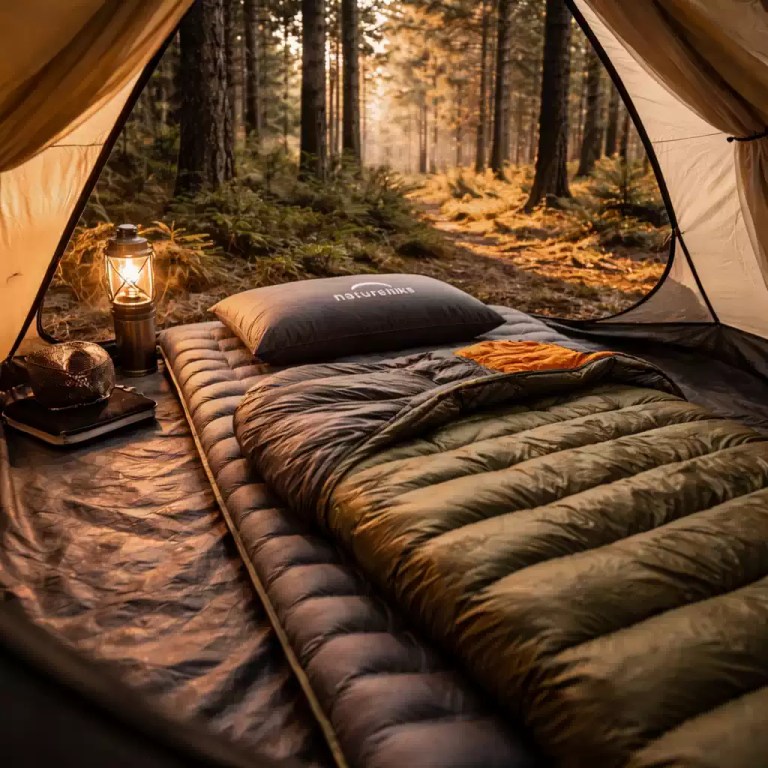
Sleeping Comfort in Woodland Settings
One of the key aspects of woodland grove camping is achieving a comfortable sleep setup. The natural ground in wooded areas can be uneven and damp, making it important to invest in a proper sleeping system.
This includes a sleeping bag suited to the season, a mat or underquilt for insulation, and a camping pillow for neck support. Many campers underestimate the importance of head support, but it plays a significant role in sleep quality.
Hammock camping has become increasingly popular in woodland environments because it eliminates ground-related issues. With the right setup, including straps and a rain tarp, hammocks provide a comfortable and adaptable sleeping solution.

Naturehike Star River™ 2-Person Ultralight Backpacking Tent
Naturehike Star River 2-person ultralight tent for UK camping

Naturehike Tagar 1 Person Backpacking tent
Naturehike Tagar 1 person ultralight backpacking tent for solo UK camping.
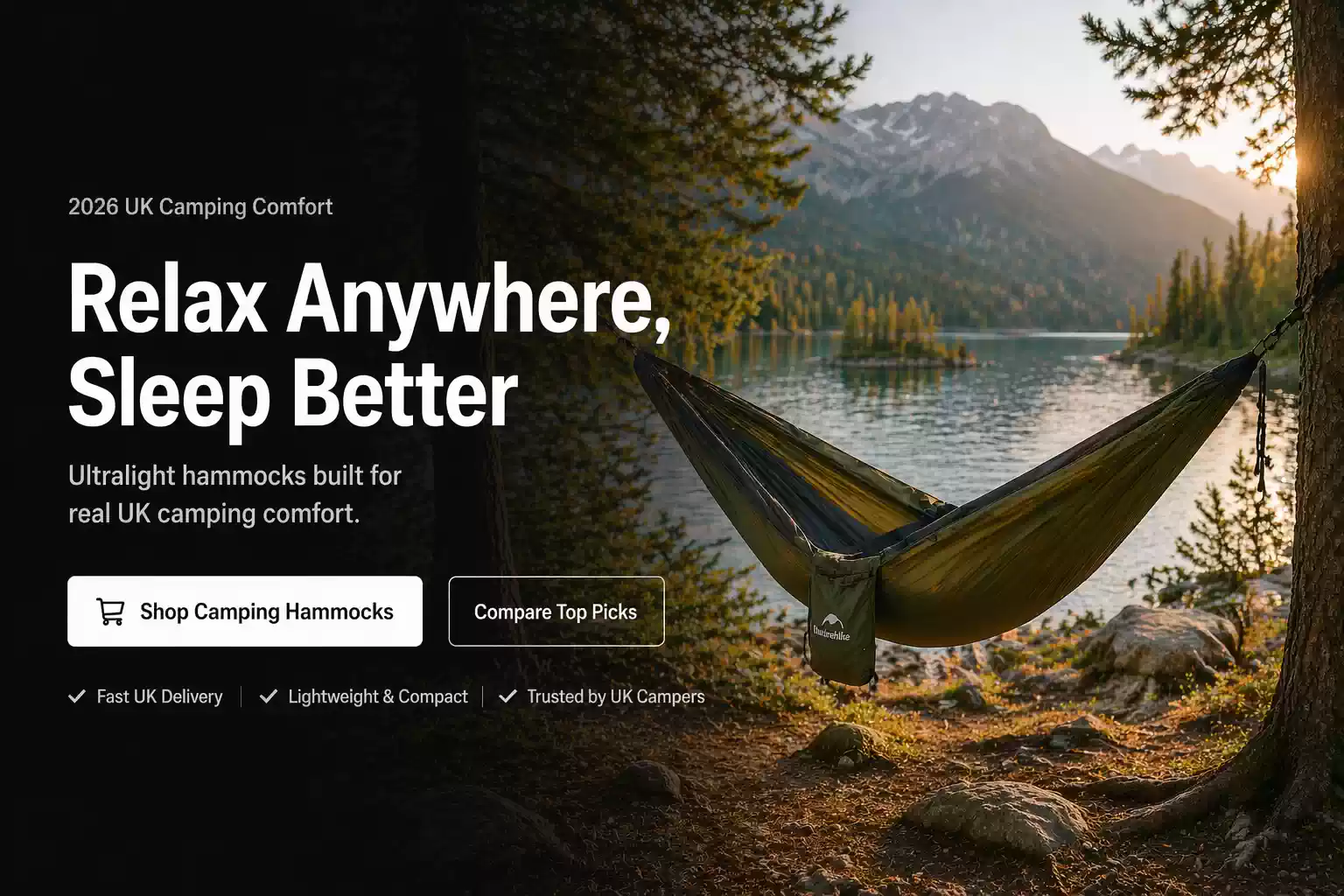
Can You Sleep in a Hammock While Woodland Camping?
Sleeping in a hammock is not only possible but often preferred in woodland environments. The abundance of trees provides natural anchor points, making setup straightforward and efficient.
Hammocks offer several advantages, including improved airflow and the ability to avoid uneven or wet ground. However, they do require additional accessories such as straps, bug nets, and rain protection to ensure comfort in all conditions.
For many campers, switching to a hammock setup transforms their woodland grove camping experience, making it more flexible and enjoyable.
Choosing the Right Woodland Campsite
Selecting the right campsite is crucial for a successful trip. Accessibility is an important factor, as some woodland sites may require walking or navigating rough terrain. Understanding the level of facilities available is also essential, as some sites offer basic amenities while others are more primitive.
Legal considerations should not be overlooked. Wild camping rules vary across the UK, with Scotland offering more freedom compared to England and Wales. Always ensure you are camping in permitted areas to avoid issues.
Ground conditions also play a role in campsite selection. Finding a flat, dry area will make your stay more comfortable and reduce potential challenges.
Safety Considerations in Woodland Camping
Safety is an important aspect of any outdoor activity, and woodland camping is no exception. Fire safety should be a top priority, especially in areas with dry leaves and vegetation. Using designated fire pits and following campsite guidelines helps minimise risks.
Wildlife awareness is also important. While UK wildlife is generally harmless, it is still necessary to store food securely and avoid attracting animals. Weather conditions can change quickly, so staying prepared with appropriate clothing and gear is essential.
Navigation can be challenging in dense woodland areas, making it important to carry a map, compass, or GPS device to avoid getting lost.
Best Time to Experience Woodland Grove Camping
Each season offers a different perspective on woodland grove camping. Spring brings new growth and mild temperatures, creating a vibrant and refreshing environment. Summer offers longer days and more stable weather, making it the most popular time for camping.
Autumn transforms woodland areas into colourful landscapes, providing a visually stunning experience. Winter camping is more challenging and requires advanced preparation, but it offers a unique and peaceful atmosphere for experienced campers.
Mental and Physical Benefits of Woodland Camping
Spending time in woodland environments has been shown to improve mental well-being. The natural surroundings help reduce stress, improve mood, and enhance overall relaxation. The slower pace of woodland camping allows individuals to disconnect from digital distractions and focus on the present moment.
Physically, camping encourages outdoor activity such as hiking, exploring, and setting up camp, all of which contribute to a healthier lifestyle.
Eco-Friendly Woodland Camping Practices
Sustainability is an important part of woodland camping. Following the “leave no trace” principle ensures that natural environments remain preserved for future visitors. This involves packing out all waste, minimising impact on vegetation, and respecting wildlife.
Using eco-friendly gear and avoiding damage to trees, especially when setting up hammocks, helps maintain the integrity of the environment.
Final Thoughts – Why Woodland Grove Camping is Worth It
Woodland grove camping is more than just an outdoor activity—it is an experience that allows you to reconnect with nature in a meaningful way. The combination of privacy, natural beauty, and comfort makes it one of the most rewarding forms of camping in the UK.
Whether you are looking for a peaceful retreat, an adventurous escape, or a way to improve your well-being, woodland camping offers something for everyone. With the right preparation and mindset, it can transform the way you experience the outdoors.
If you’re planning your next adventure, woodland camping provides the perfect opportunity to explore nature while enjoying comfort and tranquillity. Take the time to choose the right location, prepare your gear, and embrace the simplicity of outdoor living.
Your next great escape into nature starts here.


Rechargeable & Solar Camping Lights